
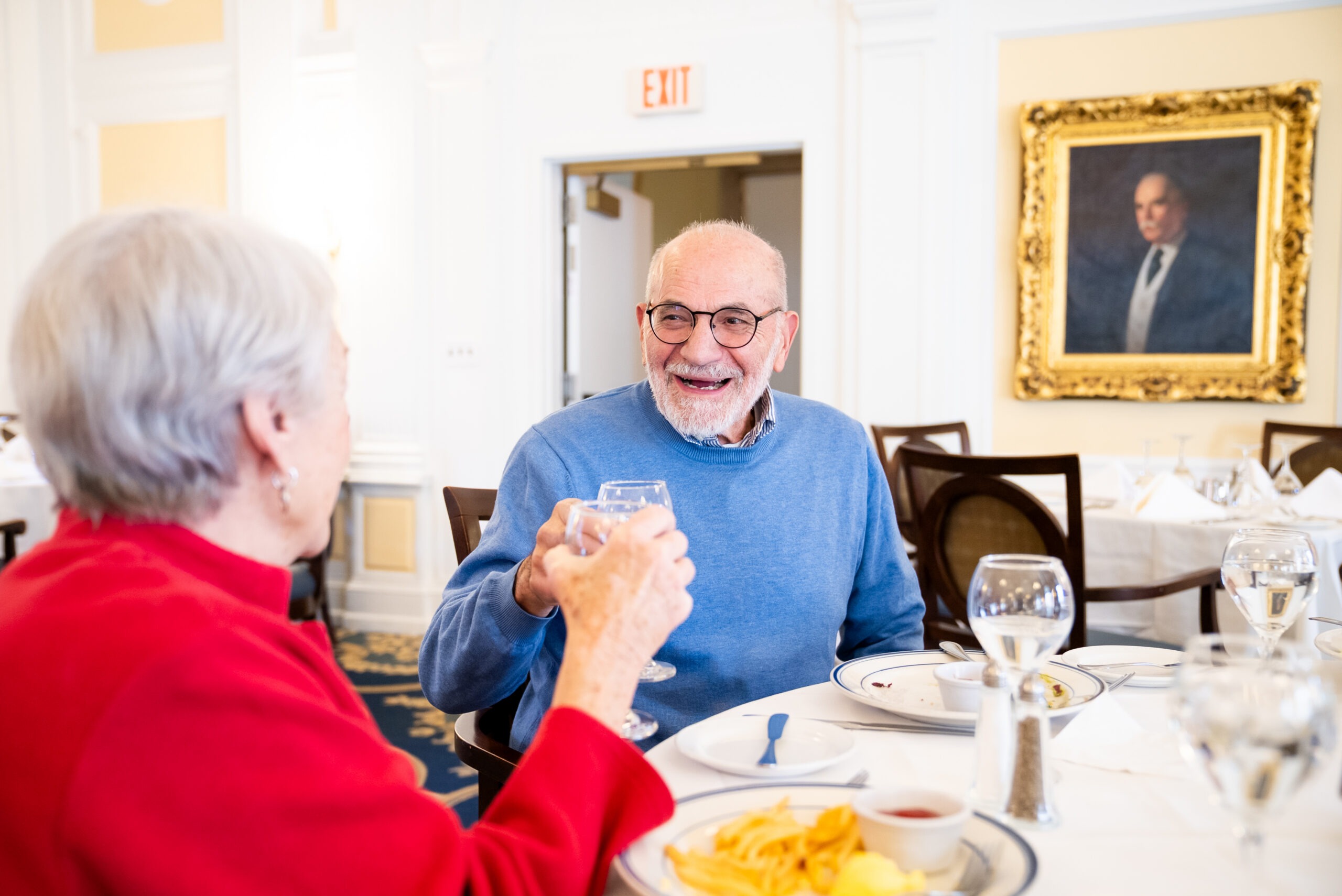
The oldest members of the baby boom generation (those born in 1946) are turning 80 this year. While this itself is a milestone, it also ties into a bigger shift – a new vision of what “80” looks like and a new age for older adults.
The population of older adults is already large, and growing. 2024 Census data show upwards of 61 million people age 65+, or 18 percent of the U.S. population, up from 55.8 million in 2020. Growth projections estimate that by 2050, 82 million Americans will be age 65 and older, representing nearly one-quarter of the population – and giving enhanced meaning to the term “boomers.”
This increase in the population also is giving rise to another dynamic, as older adults seek living options to match their active lifestyles. Older adults today, in general, are healthier and more engaged than prior generations, studies show, and are more intentional about where – and, particularly, how – they want to live. This, coupled with the boomer population shift, will have profound impacts on housing, health care and the future of senior living.
The Evolution of ‘Senior Living’
The growing population of older adults is driving a surge in demand for senior living spaces. By 2030, the number of Americans age 80 and older is projected to hit 18.8 million, which will further accelerate the need for new and thoughtfully designed housing options.
At the same time, people’s expectations for “senior living” are evolving, defined by choice, autonomy, wellness and purpose. Simply put, there are more older adults and they are seeking better, more varied choices that support active, independent lifestyles.
Research shows older adults are increasingly prioritizing amenity-rich living spaces that offer convenience, safety and vibrant social engagement. This includes:
- A variety of housing options with modern designs and flexible spaces.
- Ample outdoor spaces and walkable campuses.
- Wellness centers, diverse dining venues, creative and intellectual programming and events, and technology integration.
- Social activities, intergenerational connection, volunteering and continued personal growth.
These lifestyle preferences are leading more people to senior living campuses such as Life Plan Communities (LPCs), which offer independent and assisted living with integrated services such as memory care and skilled nursing – providing a seamless continuum that adapts as residents’ needs evolve.
As the boomer generation moves into their 80s, their preferences for lifestyles offered by LPCs will accelerate demand for this model nationwide, and here in the Northeast.
Our Next Chapter
At The Osborn, listening to our residents about their needs and wants is paramount. This is their home. And it has led us to reimagine our campus to ensure we remain a community of choice, known for exceptional care, amenities and a commitment to the well-being of our residents.
The senior living communities that will thrive are those that continually ask, “How do our residents want to live – now and in the future?”