
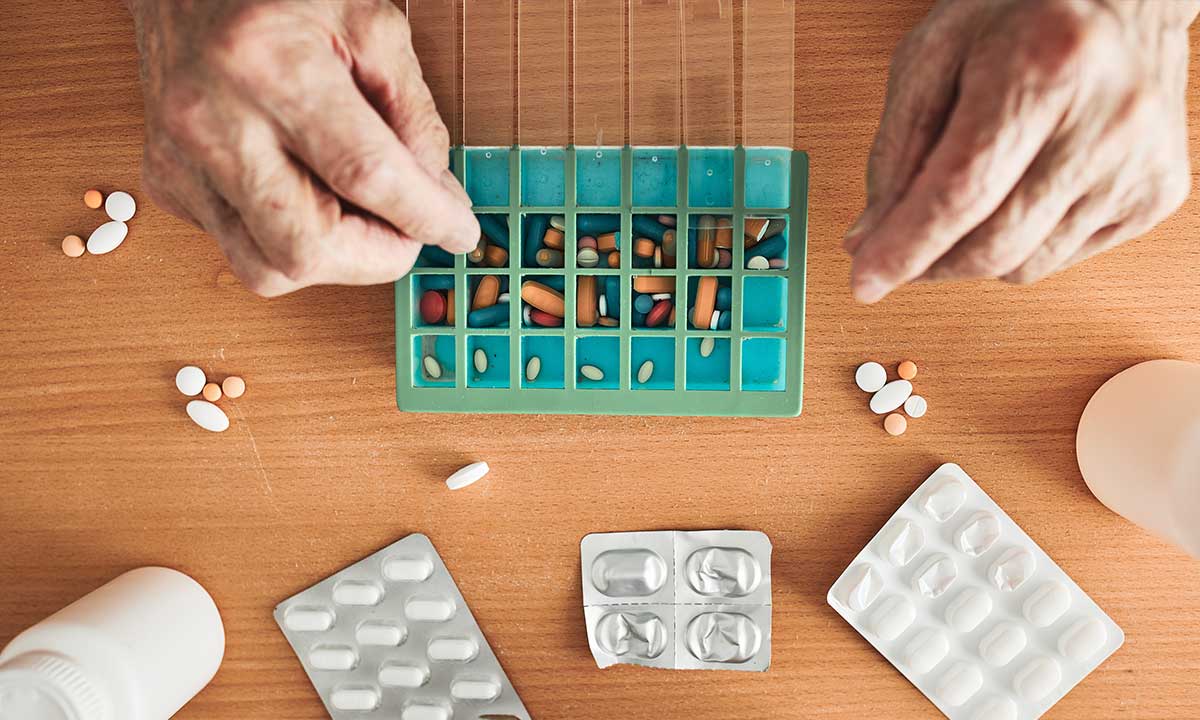
Many of us take prescription medications to manage chronic health issues or to prevent them from happening in the future. We are fortunate that we have access to many tried and true ways to help us manage our health.
According to the Centers for Disease Control and Prevention, 49% of Americans use at least one prescription drug; 24% use three or more. When used as directed by a physician or healthcare professional, medications can be safe and promote good health.
Prescription medications are often used by older adults, in conjunction with lifestyle changes, to control diabetes, blood pressure, or reduce high cholesterol levels associated with stroke and heart disease. Other medications help manage pain associated with arthritis, dental issues or in conjunction with surgery. Antibiotics are essential for treating bacterial infections, which can be quite dangerous as we get older.
Sleep issues and emotional health disorders like anxiety and depression respond well to certain classes of drugs designed to affect serotonin levels. While a cure for the common cold continues to elude researchers, pharmacy shelves are loaded with over-the-counter medications that help control symptoms.
That’s the good news.
The flip side of the proliferation of medications on the market is the number of instances in which medications are forgotten, used improperly, or abused.
When elderly people live alone or become forgetful, they may neglect to take their medications or forget which ones they have taken and inadvertently double-dose. When people are coping with chronic pain or long-term illnesses, it may be harder to detect potentially dangerous side effects. If a person has inadequate health insurance or struggles financially, they may have to choose whether to refill prescriptions at all.
Mixing some prescription medications with alcohol can have serious consequences, as can driving a car or operating machinery when the brain is altered.
The opioid epidemic has made headlines for many years, and opioid use among older adults continues to raise concern. Prescription opioid analgesics are commonly used to treat pain related to a variety of health conditions, surgery, and injury. According to the Centers for Disease Control and Prevention, opioid-related deaths have emerged as a significant public health issue in the United States, highlighting the serious risks associated with opioid use when not carefully managed. Seniors living with chronic pain may be at increased risk of developing dependence if they are not working closely with their physician.
Staying in control of your medication does not have to be overwhelming, it just takes a little planning.
- Keep an up-to-date list of all your medications, including prescriptions, vitamins, and herbal remedies in your wallet or purse.
- If you use multiple physicians or specialists, make sure they have accurate records of your medications.
- Always ask your health-care provider or pharmacist about possible side effects and read the package insert on new medications.
- Note which are taken with food and which are not.
- Report any reactions to your health care provider immediately.
- Keep medications in their original packaging and store in a safe place, away from children and pets.
- Don’t take medications in the dark. Keep your glasses and a flashlight nearby.
- Take your medications at the same time each day.
- Don’t skip your doctors’ appointments or blood tests. Adjustments to your medications may be necessary.
- Lastly, order your refills ahead of time so you won’t run out.
There are lots of organizational tips and tools to help you stay on track. You can mark refill reminders on a wall calendar and hang it in the bathroom. Buy a “pill minder” container with compartments for each day’s medications. A family member, friend, or home health aide can help you get set up at the beginning of each week.
Your medications are an important part of your self-care plan. Staying safe is as easy as following the instructions from your health care providers, keeping a record of what you are taking (and why) and any changes in how you feel, and always feeling free to ask questions!