
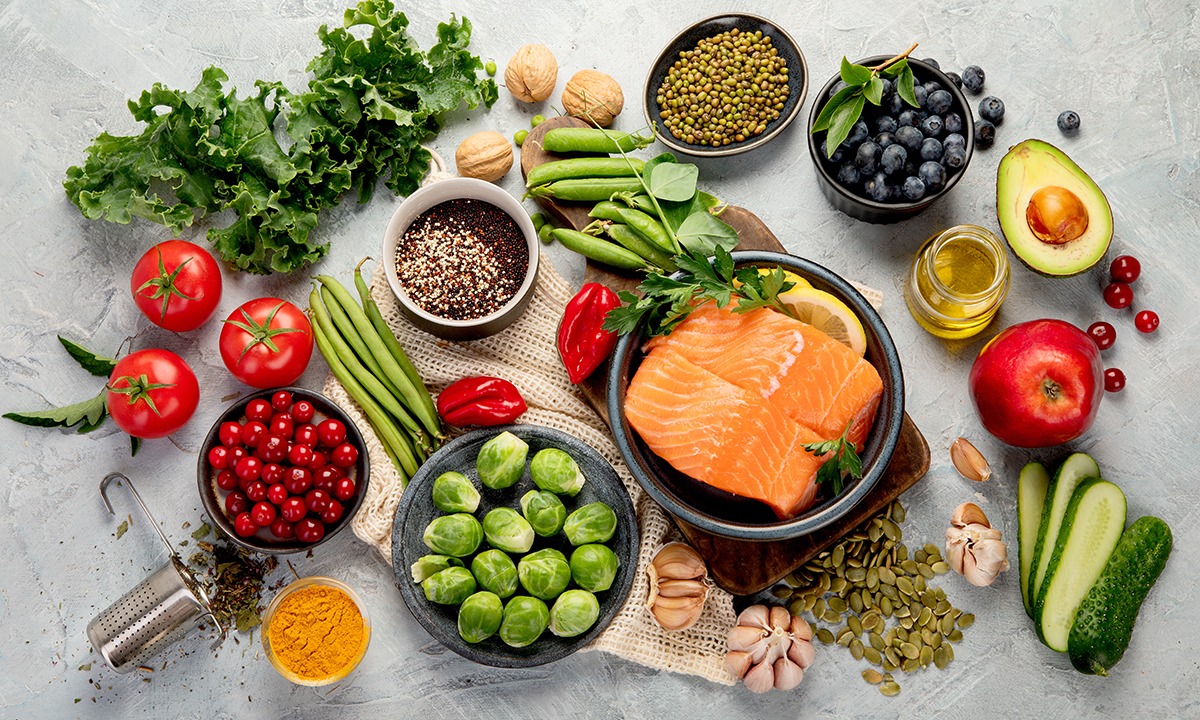
Everyone is talking about food these days. Conversations about where food comes from, how it is produced, and what goes into it have replaced simple calorie counting. This growing awareness has helped many people make more thoughtful choices that support a healthy weight, long-term health, and even the well-being of the planet. Along with regular movement, social connection, and living in a smoke-free environment, nutrition remains one of the most important contributors to longevity.
Food is also more than fuel. It brings comfort, routine, culture, and connection to everyday life. As we age, what we eat continues to play a meaningful role in how we feel, function, and live each day. Nutritional needs shift over time, influencing energy levels, bone strength, cholesterol, blood pressure, and brain health. Thoughtful nutrition can support the management of conditions such as diabetes, heart disease, dementia, and Alzheimer’s disease, while also helping maintain independence and quality of life. The goal is not perfection, but nourishment that supports both health and enjoyment at every stage of life.
Why Nutrition Matters More as We Age
Aging affects how our bodies process nutrients. Metabolism may slow, muscle mass can decrease, and the body may become less efficient at absorbing certain vitamins and minerals. These changes make nutrition especially important in later years.
Proper nutrition helps support energy levels, immune health, and recovery from illness or injury. It also plays a role in maintaining strength and mobility, which are essential for staying active and independent. Even small nutritional gaps can have a greater impact over time, influencing stamina, balance, and overall resilience.
Guidance from the National Institute on Aging highlights how balanced meals can help older adults maintain muscle, manage chronic conditions, and support overall health as nutritional needs evolve with age.
Rather than focusing on restriction, healthy aging nutrition emphasizes consistency, variety, and meeting the body’s changing needs.
Supporting Heart, Bone, and Brain Health Through Food
Nutrition plays a direct role in many of the health concerns commonly associated with aging. Balanced meals that include fruits, vegetables, whole grains, lean proteins, and healthy fats support heart health by helping manage cholesterol levels and blood pressure.
Bone health also becomes increasingly important with age. Adequate intake of calcium, vitamin D, and protein helps preserve bone density and reduce the risk of fractures. These nutrients work together to support strength and stability, especially when paired with weight-bearing activity.
Emerging research also highlights the connection between nutrition and brain health. Diets rich in antioxidants, omega-3 fatty acids, and nutrient-dense foods may support cognitive function and overall brain health, reinforcing the idea that nutrition influences both the body and the mind.
Maintaining a Healthy Weight and Muscle Mass
While weight management is often discussed earlier in life, unintentional weight loss can be a concern for older adults. Changes in appetite, taste, or physical ability can make it harder to consume enough calories and protein.
Maintaining muscle mass is especially important for mobility, balance, and fall prevention. Protein plays a key role here, helping preserve strength and support daily activities such as walking, standing, and reaching.
Regular meals, adequate protein intake, and nutrient-dense snacks can help support a healthy weight and muscle function. The focus is not on numbers, but on maintaining strength, energy, and the ability to participate fully in daily life.
When Appetite, Medications, or Memory Affect Eating
Many factors can influence eating habits as we age. Medications may affect taste or appetite. Physical challenges can make preparing or eating meals more difficult. Memory changes can lead to skipped meals or reduced intake.
For individuals living with cognitive impairment, remembering to eat or communicating food preferences can become challenging. This can result in inconsistent nutrition and unintended weight loss if not addressed with care and routine.
Recognizing changes in eating patterns is an important part of supporting health. Regular mealtimes, familiar foods, and attentive support can help ensure nutritional needs are met while respecting personal preferences and dignity.
Nutrition as Part of Quality of Life
Healthy nutrition is not just about nutrients and guidelines. It is also about pleasure, comfort, and connection. Shared meals, favorite recipes, and small indulgences can bring joy and familiarity to everyday life.
In independent living communities, access to regular meals and shared dining can support both nourishment and connection without giving up personal choice.
A balanced approach allows room for flexibility. While nourishing foods support health, honoring personal tastes and traditions supports emotional well-being. Food should feel satisfying and comforting, not stressful or restrictive.
As we age, quality of life matters just as much as physical health. Thoughtful nutrition supports both, helping older adults feel nourished, respected, and engaged in the moments that matter most.