Schedule a Tour
914-201-9500
Our Reimagination

Category: Wellness

  • Grief and Grieving

    Grief and Grieving

    The older we grow, the more losses we experience. We lose our supple skin, our hair, our flexibility and muscle strength. And as years pass, we lose more people we love โ€” spouses, siblings, colleagues, and friends.

    There is a myth that grieving follows an orderly process of clearly defined stages leading to acceptance. โ€œIn a sense, grief is wild; it can circle back and hit us just when we think weโ€™ve gotten everything under control,โ€ explains Marie Mitarondo, a grief recovery specialist and hospice chaplain in Collingswood, New Jersey.

    Each personโ€™s path through the days, weeks, and months after a loss is unique. Although it is painful, acute grief is normal and usually subsides within a year.

    Complicated Grief

    A study by a branch of the National Institutes of Health found that โ€œamong the elderly, those between ages 75 and 84 years have a higher risk of developing complicated grief compared with a younger age group.โ€ Conversely, the study noted that people aged 85 years and over were less likely to suffer abnormal grief.

    Some people experience persistent grief that leads to profound changes in their mental, emotional, and physical health. This is called โ€˜complicated grief,โ€™ in which the individual has feelings of intense worthlessness, internal questioning of personal beliefs, a strong yearning for the person who passed, and an inability to accept the passing.

    Complicated grief can have serious effects:

    • Serious depression: experienced by about half of those with complicated grief
    • Suicidal thoughts: experienced by 40 to 60 percent
    • Insomnia: causing sleep anxiety and worsening depression
    • Post-Traumatic Stress Disorder (PTSD): flashbacks, nightmares, and a need to avoid reminders (people, places, things) of the one who passed
    • Anxiety disorders: extreme, persistent worry over money, health, family, work
    • Substance abuse: harmful use of alcohol, tobacco, and illicit drugs to โ€˜copeโ€™

    Dealing with complicated grief requires help. Your general practitioner may recommend a psychiatrist or counselor. Cognitive behavioral therapy in private or group settings can help you confront your loss and learn techniques to channel your grief. More specific treatments may be prescribed for depression, PTSD, or substance abuse.

    Helping Yourself and Others

    Losing, and grieving the loss of a loved one, are part of the human experience. If you are working through a loss, you can do several things to help yourself stay healthy. You can likewise support a friend during their time of bereavement.

    Self-care includes taking some time away from your regular obligations, to allow yourself to absorb what has happened and acknowledge the profound change in your life. Give yourself space and permission to cry, if you want to. Consider keeping a small notebook in which to write about your loved one and your feelings.

    While you may not feel like eating, remember that keeping yourself hydrated and fueled with healthy food has an impact on your stamina, which is vital during this stressful time. Sleep is likewise important to your health; if sleeping is difficult, you may need short-term medication to ensure you get enough rest.

    Above all, lean on family and friends. You may need someone to listen to your thoughts, or to simply sit nearby. Tap into your spiritual connections, whether itโ€™s a faith community, or a walk among nature.

    Grief can be described as the flipside of joy. In time, grieving gives way to precious memories of those we have loved.


  • Is it Simple Winter Blues or Seasonal Affect Disorder?

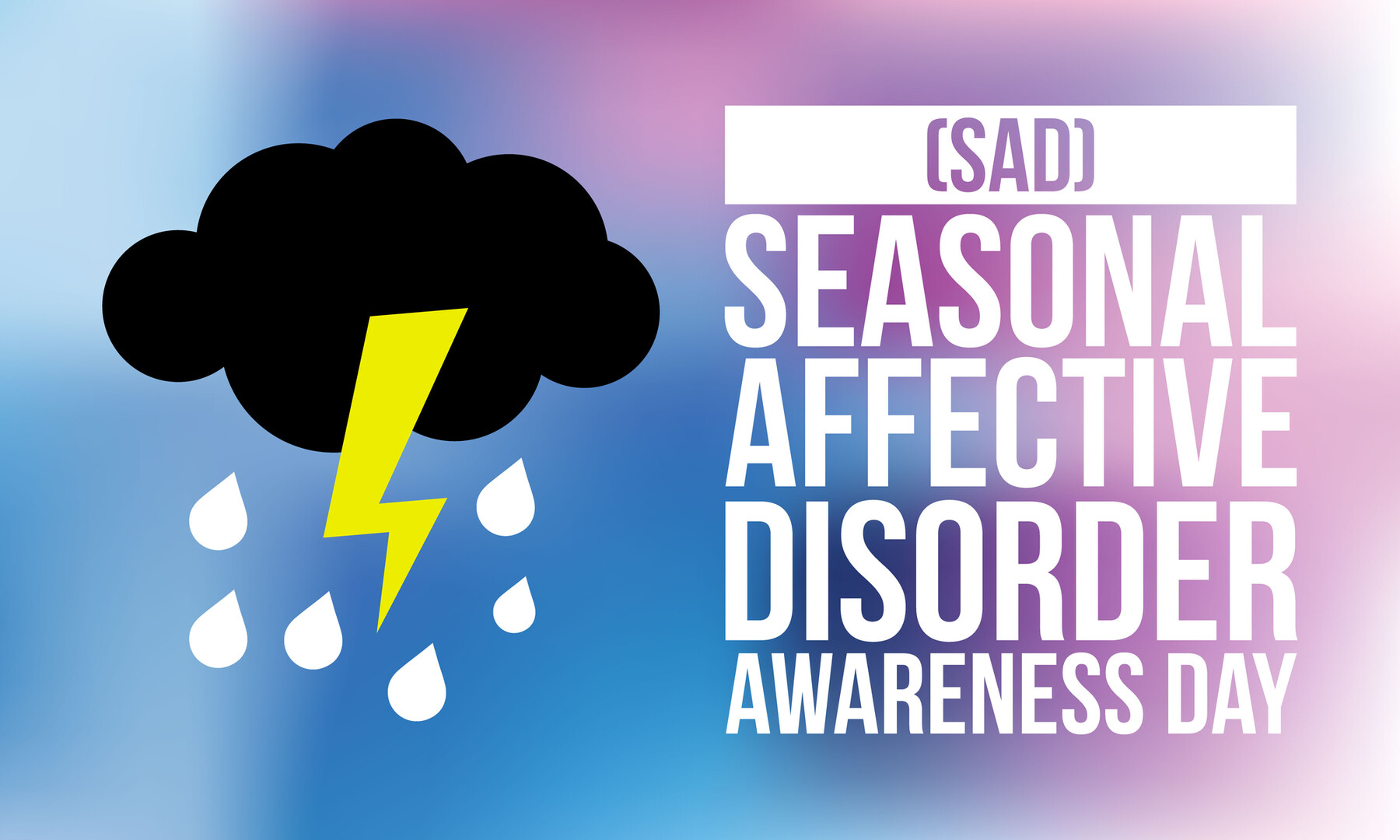
    Is it Simple Winter Blues or Seasonal Affect Disorder?

    Winter blues can affect us all. The days are short, the holidays are behind us, and the world seems gray and cold. However, if you have a severe case that is negatively impacting your day-to-day life, it may be something more serious like Seasonal Affective Disorderย (SAD). This is characterized as a form of depression that has a seasonal pattern which can start in fall and last until spring. It is thought to be associated with reduced sunlight. As the days get shorter and colder, the lack of sunlight can leave you feeling sad and less energetic, or you may experience changes in sleep and eating habits, reduced interests, and the desire to isolate yourself from others.

    rn

    SAD is more than just โ€œwinter blues.” The symptoms can be distressing and overwhelming and can interfere with daily function. SAD has been linked to a biochemical imbalance in the brain caused by shorter daylight hours and less sunlight in winter.

    rn

    This year, in addition to being in the midst of cold winter months, we are coping with the negativity every time we turn around. We are often isolated and separated from our family and friends. We also have fewer social outlets and the economy has been uncertain for some time. These factors and others can lead to the same symptoms we may see in SAD.ย 

    rn

    Common symptoms of the โ€œwinter bluesโ€ or โ€œSADโ€ include:

    rn

      rn

    • Feeling of sadness or depressed mood
    • rn

    • Loss of interest or pleasure in activities once enjoyed
    • rn

    • Changes in appetite – usually eating more and eating high fat/carb foods
    • rn

    • Change in sleep – usually sleeping too much
    • rn

    • Loss of energy or increased fatigue
    • rn

    • Increase in restless activity
    • rn

    • Reduced level of self-worth or self-esteem
    • rn

    • Trouble concentrating or making decisions
    • rn

    • Thoughts of hopelessness
    • rn

    rn

    SAD can be effectively treated in a number of ways, including light therapy, antidepressant medication, talk therapy, or some combination of these techniques. ย While symptoms will generally improve on their own with the change of season, symptoms can improve more quickly with treatment.

    rn

    Fortunately, there are several steps you can take to help prevent this disorder, beginning with certain lifestyle changes. There are seven different aspects of well-being, and you can focus on making changes in each during fall and winter:

    rn

      rn

    1. Physicalโ€“ Maintaining your level of exercise and a healthy balanced diet are great ways to elevate your mood and energy levels throughout the winter months. It is also important to regulate your sleep patterns; avoid sleeping during the day and avoid overindulging in caffeine and alcohol. Smile! Your smile can lift your mood as well as the mood of others.
    2. rn

    3. Emotionalย โ€“ Keep a gratitude journal. Itโ€™s easy to get sucked into all the parts of the day that arenโ€™t perfect. Instead, make a point to write down what youโ€™re grateful for each day.
    4. rn

    5. Socialโ€“ Make an effort to keep socializing in a safe way. During COVID-19, many people are feeling isolated – especially older adults. Maintain social relationships by making a phone call, setting up a video chat, sending a letter, or even writing a few quick text messages. Checking in on other people can help boost both your spirits and theirs.ย 
    6. rn

    7. Intellectualโ€“ We can all think of reasons why we shouldn’t get something done, but creating and sticking to a schedule can help you avoid isolation and dwelling on things that make you feel down.
    8. rn

    9. Spiritualย โ€“ Be mindful of this moment. Instead of focusing on the negative aspects of winter, embrace the season and find things you like about it.
    10. rn

    11. Environmentalโ€“ Get outside! Even if itโ€™s only for a few minutes, the fresh air and sunshine can help you feel refreshed. Lightbulbs that emit a certain wavelength that mimics the vitamin D in sunlight can also be helpful to use periodically.
    12. rn

    13. Vocationalย โ€“ Focus on the positive and try to manage your stress. Do something that relaxes you, like reading a book or taking a bath.
    14. rn

    rn

    Additionally, while we’re coping with the COVID-19 pandemic, it’s especially important to remember to stay positive. In times of constant negative messaging, strive for a positive attitude and move forward with determination and hope. Engage in activities that are positive, heartwarming, stress-reducing, and laughter-inducing – and remember that we will get through this.ย 

    rn

    These simple actions can help you stay positive:ย 

    rn

      rn

    • Remember that things will not be this way forever
    • rn

    • Remind yourself of what is good in your life
    • rn

    • Limit your TV time
    • rn

    • Watch a funny video or movie
    • rn

    • Look in on your neighbors
    • rn

    • Send a card or gift in the mail to a loved one
    • rn

    • Try a new hobby or rediscover an old one
    • rn

    • Provide random acts of kindness to others
    • rn

    rn

    If you have been experiencing signs of the winter blues or SAD for more than two weeks and lifestyle changes arenโ€™t helping to alleviate the symptoms, it may be time to talk to your doctor or contact a professional. Depression is a serious condition and the longer treatment is delayed, the harder the recovery.

    rn

    Here are some additional resources online:

    rn

    The Mental Health Association of Westchester

    rn

    National Association of Mental Illness/Westchester

    rn

    Family Health Services of Westchester

    rn

    What is seasonal affective disorder?

    rn

    ย The information in the above article is not intended nor implied to be a substitute for professional medical advice, diagnosis, or treatment. Always seek the advice of your physician or other qualified health provider with any questions you may have regarding a medical condition.


  • Nutrition for Healthy Aging

    Nutrition for Healthy Aging

    Everyone is talking about food these days. Conversations about where food comes from, how it is produced, and what goes into it have replaced simple calorie counting. This growing awareness has helped many people make more thoughtful choices that support a healthy weight, long-term health, and even the well-being of the planet. Along with regular movement, social connection, and living in a smoke-free environment, nutrition remains one of the most important contributors to longevity.

    Food is also more than fuel. It brings comfort, routine, culture, and connection to everyday life. As we age, what we eat continues to play a meaningful role in how we feel, function, and live each day. Nutritional needs shift over time, influencing energy levels, bone strength, cholesterol, blood pressure, and brain health. Thoughtful nutrition can support the management of conditions such as diabetes, heart disease, dementia, and Alzheimerโ€™s disease, while also helping maintain independence and quality of life. The goal is not perfection, but nourishment that supports both health and enjoyment at every stage of life.

    Why Nutrition Matters More as We Age

    Aging affects how our bodies process nutrients. Metabolism may slow, muscle mass can decrease, and the body may become less efficient at absorbing certain vitamins and minerals. These changes make nutrition especially important in later years.

    Proper nutrition helps support energy levels, immune health, and recovery from illness or injury. It also plays a role in maintaining strength and mobility, which are essential for staying active and independent. Even small nutritional gaps can have a greater impact over time, influencing stamina, balance, and overall resilience.

    Guidance from the National Institute on Aging highlights how balanced meals can help older adults maintain muscle, manage chronic conditions, and support overall health as nutritional needs evolve with age.

    Rather than focusing on restriction, healthy aging nutrition emphasizes consistency, variety, and meeting the bodyโ€™s changing needs.

    Supporting Heart, Bone, and Brain Health Through Food

    Nutrition plays a direct role in many of the health concerns commonly associated with aging. Balanced meals that include fruits, vegetables, whole grains, lean proteins, and healthy fats support heart health by helping manage cholesterol levels and blood pressure.

    Bone health also becomes increasingly important with age. Adequate intake of calcium, vitamin D, and protein helps preserve bone density and reduce the risk of fractures. These nutrients work together to support strength and stability, especially when paired with weight-bearing activity.

    Emerging research also highlights the connection between nutrition and brain health. Diets rich in antioxidants, omega-3 fatty acids, and nutrient-dense foods may support cognitive function and overall brain health, reinforcing the idea that nutrition influences both the body and the mind.

    Maintaining a Healthy Weight and Muscle Mass

    While weight management is often discussed earlier in life, unintentional weight loss can be a concern for older adults. Changes in appetite, taste, or physical ability can make it harder to consume enough calories and protein.

    Maintaining muscle mass is especially important for mobility, balance, and fall prevention. Protein plays a key role here, helping preserve strength and support daily activities such as walking, standing, and reaching.

    Regular meals, adequate protein intake, and nutrient-dense snacks can help support a healthy weight and muscle function. The focus is not on numbers, but on maintaining strength, energy, and the ability to participate fully in daily life.

    When Appetite, Medications, or Memory Affect Eating

    Many factors can influence eating habits as we age. Medications may affect taste or appetite. Physical challenges can make preparing or eating meals more difficult. Memory changes can lead to skipped meals or reduced intake.

    For individuals living with cognitive impairment, remembering to eat or communicating food preferences can become challenging. This can result in inconsistent nutrition and unintended weight loss if not addressed with care and routine.

    Recognizing changes in eating patterns is an important part of supporting health. Regular mealtimes, familiar foods, and attentive support can help ensure nutritional needs are met while respecting personal preferences and dignity.

    Nutrition as Part of Quality of Life

    Healthy nutrition is not just about nutrients and guidelines. It is also about pleasure, comfort, and connection. Shared meals, favorite recipes, and small indulgences can bring joy and familiarity to everyday life.

    In independent living communities, access to regular meals and shared dining can support both nourishment and connection without giving up personal choice.

    A balanced approach allows room for flexibility. While nourishing foods support health, honoring personal tastes and traditions supports emotional well-being. Food should feel satisfying and comforting, not stressful or restrictive.

    As we age, quality of life matters just as much as physical health. Thoughtful nutrition supports both, helping older adults feel nourished, respected, and engaged in the moments that matter most.


  • How Planning Ahead Improves Peace of Mind for the Future

    How Planning Ahead Improves Peace of Mind for the Future

    As we imagine our ideal future in this exciting stage of life, our thoughts become dreams of minimizing stress and doing what brings us the most joy. With innumerable opportunities ahead of you, proper planning now can make those dreams a reality. So, why not start now?

    Get started

    If you have begun to look at downsizing or are starting to consider the senior living options in Westchester County, a move may be in your not-too-distant future. And after many years in the same house, this can seem like a daunting task. Fortunately, the biggest hurdle is simply getting the process started.

    On that note, making lists and tagging items is a good first step. Begin by sorting family treasures and deciding which furniture will work in a new, possibly smaller space. Categorize items to keep, pass along, sell, donate, or toss. Remain resolute in your commitment to get rid of what no longer serves you. A professional organizer, or an objective friend, can help you stay focused and make progress toward your goal of living simpler in retirement.

    Evaluate your living arrangement

    If you decide to stay in your current house for the foreseeable future, itโ€™s a good idea to evaluate possible safety hazards should your mobility needs change. If you need extra help with your daily activities and donโ€™t want to rely too heavily on family members, local agencies can assist with driving, shopping and preparing meals. For a higher level of personalized daily assistance, a certified home health aide from a reputable agency will help keep you healthy and give everyone priceless peace of mind.

    Also worth considering is the cost of waiting to make a move. Does it make the most sense (financial or otherwise) for you to remain where you are? The folks at The Osborn put together this helpful guide to help determine if moving sooner is a better choice for your future.

    Organize those papers

    No matter where you choose to reside, an important step in getting your proverbial house in order is gathering all of your important documents in one place. This collection of documents could include:

      • Will
      • Birth certificate
      • Marriage license
      • Property deed(s)
      • Mortgage/loan documents
      • Vehicle title(s)
      • Bank account numbers (and online account access passwords)
      • Investment and retirement account information
      • Insurance policies
      • Appraisals of jewelry/antiques

    Protect yourself offline and on

    With all those important hard-copy documents safe and sound, itโ€™s also a good time to consider your safety in the digital world. Older people are at risk for telephone or internet scams, and falling victim to a scam can really put a damper on your dream future. Here are a few quick tips to keep in mind:

      • Never give your personal information like social security number or bank account information over the phone.
      • Keep your passwords in a separate, offline location like a journal or notebook.
      • Keep all of your devices (phone, computer, tablet) backed up and running the latest software.

    Perhaps above all: If something you hear or see makes you uneasy, listen to your instincts!

    Build your team

    You may already have a trusted financial advisor and lawyer, but in case you donโ€™t, now is the time to find them. Personal referrals are a great way to identify providers who are experienced in helping seniors who have similar goals and sensibilities as you. Itโ€™s completely appropriate to schedule a preliminary meetingโ€”even over coffee or lunchโ€”to make sure the person is a good fit for you and your long-term goals.

    Plan your gifts

    The aforementioned legal and financial experts can help direct your wishes appropriately. For example, these professionals can make a big difference when it comes to bestowing financial gifts to family members and navigating ever-evolving tax regulations.

    If you are philanthropically minded, there are many ways in which you can make tax-deductible gifts to charities of your choice. No matter how you direct your assets, be sure to speak with your financial advisor to get answers that are right for you.

    Complete advance directives

    In addition to how you direct your assets, advance medical directives are simple legal documents that allow you to define who will make healthcare decisions for you if you are unable to do so.

    Part of this is your โ€œliving will,โ€ which guides your family and healthcare team through what medical treatments you want (or donโ€™t want). The other part is a โ€œhealthcare proxyโ€’ that allows you to select a person you trust to make decisions about your medical care if you are temporarily (or permanently) unable to.

    Whether financial, legal, medical or just where you choose to live, having a solid plan in place sets you and your loved ones up for a future filled with peace of mind. Itโ€™s never too early to start planning, and never too early to start making your dream future a reality.

    If you have questions about the options for senior living in Westchester and Fairfield Counties, the friendly team at The Osborn in Rye, N.Y., can explain all the options and find which suits you best for both today and tomorrow. Simply click here or call 888-9-OSBORN to connect today!


  • Forever Strong: Your Guide to Building and Maintaining Muscle Mass

    Building and maintaining muscle mass is a lifelong process! According to WebMD, both men and women start losing muscle mass as they age. In fact, most people see their muscle mass decrease from 3% to 5% per decade after turning 30. With diminishing muscle mass, mature individuals may become more susceptible to breaking a bone if they fall.

    In addition, as stated on WebMD, the risk may be higher for those who suffer with sarcopenia, a syndrome that leads to a gradual loss of bone and muscle. Another reason why some older people may have a hard time holding on to their muscle mass is anabolic resistance, when their skeletal muscle gradually loses the ability to make protein.

    Does it mean you should feel discouraged and helpless to stop it? Let us assure you that there are ways to rebuild your muscles and improve your overall well-being, no matter how old you are.

    If you take into consideration a few savvy suggestions below, you may be able to increase and preserve your muscle size and improve the quality of your life for many years to come!

    These are the crucial steps you can take to address the issue and reverse the process:

    The Vital Role of Strength Training

    Between ages 50 and 70, people can lose up to 30% of their muscle mass, if they do not engage in strength training. Keep in mind that after 70, the rate of muscle decline accelerates even further, potentially putting us at risk for falls and injuries. These injuries can potentially trigger a cycle that impacts our physical health. Furthermore, after a fall some older people may become a bit more apprehensive, anticipating another accident or fearing another injury. To avoid any potential problems, some individuals may embrace a sedentary lifestyle which, ironically, can increase their risk for more injuries.

    Please note that muscle loss can also have an impact on our balance, energy, and daily activities such as walking, exercising, or climbing stairs. Therefore, it goes without saying that regular strength training (if approved by your physician) is essential for maintaining a healthy lifestyle. If you challenge and stimulate your muscles the right way, you can gradually build strength and prevent falls and injuries. You can use resistance bands, dumbbells, weight machines, or even your body weight for your strength training exercise. Just take the time to figure out which activity suits you better and get down to business!

    Elevate Your Muscle Growth with Protein

    As you may already know, your diet is also crucial when it comes to building your muscle mass. As stated by Harvard Health Publishing, protein is the king of muscle food. Here is why. The body breaks protein down into amino acids, in order to build your muscle strength. In fact, the older you are, the more protein you need. According to Harvard Health Publishing, older adults need a daily intake of 1 to 1.3 grams of protein per kilogram of body weight. If possible at all, try to divide your protein equally among your daily meals, to maximize the muscle building process. You may also benefit from animal sources such as eggs, meat, and milk that are considered the best when it comes to providing the essential amino acids. In addition to that, you may include lean chicken or salmon, plain Greek yogurt, skim milk, and beans, among other healthy choices.

    Check Your Vitamin D Levels

    Most people are aware that sun exposure is a source of vitamin D that helps develop muscle power. Interestingly, it takes up to four times as long for people over 60 to receive vitamin D through sun exposure. Oftentimes, physicians prescribe a vitamin D supplement which is a great way to bring things back to normal.

    Increase Your Mobility and Blood Flow with Walking

    Even if you feel tired or lazy, take a walk! The benefits of this simple yet crucial exercise are undeniable. Walking boosts your movement and improves blood flow in your body. Moreover, walking is a fantastic exercise for improving how your body uses insulin, which results in muscle recovery. Remember, even short 10-minute walks during the day can keep your muscles strong and make a difference.

    Boost your Omega-3s

    You can get your Omega-3s from salmon (mentioned above), walnuts, and flaxseeds. These foods are known to combat inflammation and can be easily incorporated into your diet. In a nutshell, Omega-3 fatty acids are โ€œhealthy fatsโ€ that support your heart health, according to Cleveland Clinic. Inflammation may cause muscles to break down, therefore, by consuming anti-inflammatory Omega-3s, you are more likely to restore your muscle strength or improve the muscle building process.

    As with many facets of health, building and maintaining muscle mass is an ongoing and important health goal. As we age, this becomes even more important to overall health. Letโ€™s control what we can and do everything we can to be our healthiest selves.

    The information in the above article is not intended nor implied to be a substitute for professional medical advice, diagnosis, or treatment. Always seek the advice of your physician or other qualified health provider with any questions you may have regarding a medical condition or beginning any exercise program.


  • Embracing Silver Linings: Finding Joy and Positivity in Every Season of Life

    Embracing Silver Linings: Finding Joy and Positivity in Every Season of Life

    Some people may disagree with us, but we ARE convinced that you can have a fun, fulfilling and interesting life in your golden years. The idea of grumpy older individuals is becoming a thing of the past as there are more options for older Americans than ever before.  So letโ€™s talk about a few crucial factors that can add a little extra sparkle to your daily living, boost your spirits and increase your lifespan. Imagine those little rays of sunshine peeking through the clouds, even on the gloomiest of days. Life has its ups and downs, but finding joy and positivity in everyday moments can truly make all the difference as we carefully navigate the journey of aging.

    First of all, letโ€™s revisit the concept of silver linings. As an older adult you got a lifetime of wisdom and experience to help you uncover those hidden gems in some of the most unexpected places. To that end, letโ€™s try to find some silver linings together and develop a more optimistic outlook on life.

    Little Things Make The Biggest Difference

    Now, we get it. Some days it may feel like your energy is dwindling away, your knees are hurting more, you get exasperated more easily, or the grandkids have not called you in a while. But hereโ€™s the thing: even on those tough days, thereโ€™s still plenty to be thankful for.

    Maybe itโ€™s the aroma of fresh coffee in the morning, your favorite comedy show on TV, a super-friendly neighbor living next door, or the anticipation of spring and warmer weather. Take some time to appreciate the beauty of nature surrounding you or soak in the charm of the city you live in. Let me assure you that you can find a little magic and goodness in every situation and every place, if you look close enough. Whatever it is, take a moment to savor the good things. Trust me, itโ€™ll make a world of difference and transform your outlook.

    The Power of Resilience

    One of the best parts about being an older adult? You have certainly learned a thing or two about resilience and weathered your fair share of storms, setbacks or disappointments. Look at yourself now: You are still standing. So, next time life throws a curveball your way, take a deep breath, try to relax and embrace the thought that every storm eventually gives way to a rainbow.

    Have Fun

    Finding silver linings isnโ€™t just about weathering the storms or overcoming challenges; itโ€™s about having a good time and celebrating the sunshine. You know you deserve it. Did you have any special interests, hobbies or passions back in the day that you didnโ€™t have a chance to pursue? Did a busy schedule or constant project deadlines keep you from engaging in creative activities? Was writing a novel one of your biggest yet long-forgotten dreams? While you had to put it all aside to make a living and support your family, now may be a great time to revisit your dreams and pursue your passions.

    In addition, you may want to reconnect with an old friend over a cup of tea, join a book club or learn how to crochet. Whatever brings a smile to your face, lean into it and enjoy it.

    Make Laughter Your Secret Sauce of Life

    Having a good sense of humorย helps us cope with a lot of things, from stress to recovery from injuries. Laughter is more than cracking jokes or watching a funny movie; it’s also about NOT taking yourself too seriously. Did you accidentally spill a cup of coffee, drop a scarf on the floor or mispronounce a famous actorโ€™s name? Donโ€™t feel embarrassed about it โ€“ just laugh it off!

    In addition, laughter is about sharing a belly laugh with friends over lunch or chuckling at the antics of your grandkids. As you may already know, laughter isn’t just good for the soul; it’s good for the body too and can make you stronger and healthier. Studies show that a good laugh can boost our immune system, lower stress levels, and even improve our overall well-being. Therefore, make sure a good laugh is part of your life and your regular companion. According to the American Medical Association, the many benefits of laugher include boosting the level of oxygen in the blood and the release of cortisol, endorphins and the immune systemโ€™s T-cell, making it your best medicine.  

    Letโ€™s face it: Oftentimes, finding silver linings can feel like searching for a needle in a haystack, especially at an older age. But hereโ€™s the deal: sometimes, the most beautiful moments are hiding in plain sight. Maybe itโ€™s the laughter of children playing in the park or the beautiful landscape unfolding right in front of you. Keep your eyes and heart open, and youโ€™ll be amazed at the beauty that surrounds you.


  • Write a Memoir – Part #2

    Write a Memoir – Part #2

    Memoir Writing for Older Adults: Part 2

     Many of us worry about the mental health of our aging loved ones. Fortunately , research shows that writing your life story can dramatically improve symptoms of depression and enhance cognitive function. In addition, writing about life experiences can counter loneliness and stimulate conversation as suggested by Psychology Today.

    Citing some literary scholars and cognitive neuropsychologists, โ€œconstructing narratives is an essential mental process through which human beings make sense of their experiencesโ€ (Journal of Medical Humanities, Dec 2021).

    Therefore, we decided to devote two blog posts to memoir writing which we hope will inspire older Americans to consider engaging in this challenging and intellectually stimulating activity.

    Donโ€™t try too hard

    Contrary to popular belief, one of the best ways to start writing your life story is to stop trying. Believe it or not, you may find your groove when you let go, relax, or let yourself play. Why donโ€™t you change your mindset and think of the writing process as a playground rather than a battleground. This is your chance to play, explore, learn, and have a good time. In other words, donโ€™t think of it as a chore โ€“ embrace it as a new fun activity, something to look forward to and something that could enhance your life, give you energy, and stimulate your mind.

    Let prompts be the compass guiding your memoir journey

    You can dive into your memory and transform it into a captivating tale, one prompt at a time. Start by choosing what is important to you. From a cherished relationship, fascinating friendship, or special celebration to a fancy souvenir you brought home from a special trip โ€“ just get the ball rolling by writing about that event, item or memory and see where your thoughts take you from there.

    Here are a few other prompts you could use to get your creative juices flowing. Can you think of a beautiful song you used to listen to all the time in the past? Does it come with strong feelings or special memories? Can you think of an encounter, a conversation, or interaction that inspired or influenced you or made you look at things from a fresh perspective? Was there a turning point in your life that you would like to describe, and how did it impact your past, present, and future? What were some of the most important traditions your family observed when you were very young? All these ideas can help you set the wheels in motion and initiate the process with confidence and passion.

    Turn the reader into the protagonist

    This particular suggestion may surprise you a bit. After all, YOU are the subject and the story revolves around YOUR actions, experiences, triumphs and falls. That being said, it is not all about you. What matters is the extent to which your readers can benefit from your revelations. Although the story is mainly focused on your personal experiences, you should make sure the reader can relate to what you are going through. 

    Avoid a traditional starting point

    Start your story in an unexpected way. Donโ€™t stick to the usual chronological order which can make it so much more predictable. Instead of starting at the very beginning, kick things off with a surprising, funny, or intriguing incident from the middle of your story. As you may already know, a compelling start should grab your readersโ€™ attention without giving away the ending and โ€œspoiling the surpriseโ€. Later, you can go back and share the actual beginning and provide the background details. This is a good way to keep it interesting and keep your readers hooked.

    Keep on going no matter what

    When writing your memoir, resist the urge to take a break or put it aside when the going gets tough. Let me assure you that putting the project on hold can make it hard to pick up where you left off and resume the creative adventure. There is no need to stress about making every word, phrase, or sentence perfect; you can polish it later. Just concentrate on getting your story out. If you keep at it, you will make progress.

    In conclusion

    You donโ€™t have to be a professional or charismatic writer and you donโ€™t need publishing connections when it comes to memoir writing. Just be yourself!ย By not trying to be a perfect writer with extraordinary writing skills and amazing talent, you can keep your unique voiceย and perspective intact. Remember, itโ€™s up to you whether to publish it or not. Most importantly, the process of writing a memoir is a reward in itself. So have fun sharing your story and good luck with your creative undertaking! You can do it.


  • Write a Memoir – Part #1

    Write a Memoir – Part #1

    Ready to Write a Memoir?

    Here is Your Guide on How to Tell Your Story and Inspire Your Loved Ones:ย Part 1

    When it comes to reminiscing about your life, setbacks, adventures, and milestones, writing a memoir may be a great idea and allow you to share your unique story with your loved ones. In fact, this is your chance to explain some of your choices and share some of your deepest secrets with your family and future generations. Your loved ones may feel inspired after reading your story and benefit from your life experiences, making it a worthwhile undertaking.

    Experts suggest that writing allows older Americans to tap into their brain power using word associations and sentence structure as an intellectual activity. In addition, a Yale study has found that memoir writing for seniors encourages community building and embracing the later stage of their life which may add up to 7 years to their lifespan.

    Some older adults seem to be reluctant to write their life story for one simple reason. When they think about memoirs, they usually imagine some of the most famous, powerful, and influential individuals who have the most captivating narratives to tell. Anything less than that just doesnโ€™t seem to be important enough. Besides, working on a memoir can be very time-consuming and challenging; itโ€™s a lot of work and writing about something โ€œordinaryโ€ and โ€œunremarkableโ€ may not be worth the time and effort. Why even bother? But here is the surprising truth: anyone can write a memoir, and most people probably underestimate the significance and potential impact of their story.

    Contrary to popular belief, facts can be so much more fascinating than fiction and everyone (yes, everyone!) has a story to tell. Why donโ€™t you look back on your life? Have you experienced rejection in the past? How many obstacles did you have to overcome or what did you have to do to attain some of your biggest goals? Even if you were unable to achieve everything youโ€™d set out to achieve, itโ€™s the journey that matters the most. The experience. The learning. The people you met along the wayโ€ฆNot necessarily the outcome.

    So, if you are still thinking about writing your own memoir, itโ€™s time to dust off those memories and embark on a new, creative, and intellectually stimulating journey. Hereโ€™s how:

    Write an outline

    As you may already know, one of the best ways of organizing your thoughts is to write an outline. A good outline serves as the skeleton of your memoir, providing the structure you need to cover all the necessary details and say everything you need to say. Itโ€™s your jumping-off point that will grow, evolve, and stretch as you move forward with your project.

    Just get the ball rolling

    Choose a starting point that may stir up some emotions or provoke hearty laughter. Can you think of a childhood adventure you would like to mention, your wild college years, or perhaps the moment you realized you were the coolest parent on the block? Donโ€™t think too long and too hard โ€“ this may impede your progress. Just initiate the process and get your creative juices flowing. No need to obsess over the outcome right from the get-go.

    Add a dash of humor

    Letโ€™s face it, life is too short and people spend more time worrying and stressing out than laughing. Let your memoir reflect the chuckles and giggles you have earned over the years. Donโ€™t hesitate to share some awkward moments with your readers and make them laugh. Do you remember the time you tried to learn how to tap dance, the way you used to dress for Halloween, or the karaoke night where you tried to sound like Stevie Wonder? Imagine how funny and enjoyable it would be to read about your undertakings or foray into pop music. Donโ€™t keep it a secret โ€“ get it off your chest and make people laugh to their heartโ€™s content.

    Add some quirky characters to your story

    Have you ever met someone unusual, quirky, and eccentric in the past? Most of us have. How did this person shape your life or impact your outlook on things? Was it Aunt Gloria with her fancy hat collection, Cousin Henry with his obsession with video games, or some long-forgotten childhood friend who had a knack for getting you into trouble. Bring these characters to life and let them dance through your pages. You will be glad you did.

    Final thoughts

    Although writing may not necessarily provide the same benefits to everyone,ย it could be a useful addition to a traditional healthcare regimen and help support mental wellbeing.


  • The Benefits of Sleep

    The Benefits of Sleep

    Enjoy a Good Nightโ€™s Sleep and Wake up Refreshed and Ready to Go

    A Few Savvy Sleep Tips for Older Adults

    According to the National Institute on Aging, many older adults donโ€™t sleep well. In fact, roughly one in three older Americans report NOT getting enough rest on a daily basis. Letโ€™s also take a look at the statistical data provided by the Mayo Clinic, a nonprofit American academic medical center focused on integrated healthcare. The organizationโ€™s website states that as many as 57% of older adults report major disruption of sleep, 29% struggle to fall asleep, and 19% complain of early-morning awakening.

    There are many reasons why. Some older adults are taking medications that may keep them awake, while others feel sick or experience pain which precludes them from falling asleep. There are those who suffer from sleep apnea (a disorder that causes a person to repeatedly stop breathing while they sleep) or restless leg syndrome (an uncomfortable urge to move your legs). Not to mention Alzheimerโ€™s disease which can impact sleep-wake cycles for older adults,causing them to sleep too much or not sleep enough.

    No matter the reason, lack of a good nightโ€™s sleep can make you irritable, affect your memory, and even potentially result in falls or accidents. It is important to remember that insufficient sleep can lead to increased risk of cardiovascular disease, diabetes, weight problems, or even breast cancer in women. Disturbed sleep, waking up feeling tired or groggy, and other symptoms of insomnia are NOT necessarily a normal part of aging, as suggested by HelpGuide.org.

    It goes without saying that sleeping well is crucial to our health, wellbeing and longevity. Especially when it comes to older adults. 

    The simple insights below may help you develop a few sleep-friendly habits. 

    Avoid artificial lights

    As you may already know, artificial lights at night can suppress your bodyโ€™s production of melatonin, the hormone that makes you sleepy. Therefore, experts suggest you should use low-wattage bulbs, and turn off your TV and computer at least one hour before bed. 

    Transform your bedroom into a sleep sanctuary

    Make sure your bedroom is quiet, dark, and cool and your bed is comfortable. Most people become more sensitive as they age; light and heat can also cause sleep problems. You may want to resort to a sleep mask, ear plugs, or a sound machine. Donโ€™t forget to ditch the gadgets at least an hour before bedtime. After all, funny cat videos can wait โ€“ your sleep cannot.

    Develop and stick to relaxing bedtime rituals.

    There are quite a few things you can do to wind down before bed. You may take a bath, play some relaxing music, or engage in a relaxation technique such as mindfulness meditation, deep breathing, or some gentle stretching to keep those joints happy. It might be a good idea to read another chapter of that book you were meaning to finish. 

    Avoid changes in sleep schedules

    Why donโ€™t you embrace your inner child and establish a bedtime routine? As stated by the Sleep Foundation, aging can make it so much more difficult to recover from lost sleep. It is essential that you go to bed and wake up at the same time, every day. In addition, make sure you avoid long naps, especially too close to bedtime.

    Steer clear of meals or substances that may ruin your sleep

    Keep in mind that there are quite a few substances that are better to avoid if you are determined to get a good nightโ€™s rest. Scratch alcohol, tobacco, and large meals late in the day off your list and consider quitting smoking or reducing caffeine intake. The Sleep Foundation suggests you eat your dinner at least four hours before bedtime.

    Final thoughts:

    The magic and impact of a good nightโ€™s sleep cannot be overestimated. In fact, for older Americans, itโ€™s not just a luxury โ€“ itโ€™s a necessity, protecting them against aches and pains that come with aging. Itโ€™s the brainโ€™s clean-up crew sweeping away all the mental clutter from the day. And letโ€™s not forget about the mood boost allowing you to wake up feeling energized, upbeat,and ready to tackle the day.

    The information in the above article is not intended nor implied to be a substitute for professional medical advice, diagnosis, or treatment. Always seek the advice of your physician or other qualified health provider with any questions you may have regarding a medical condition or beginning any exercise program. 


  • Fall Reduction Strategies For Seniors

    Fall Reduction Strategies For Seniors

    Fall Reduction Strategies: How to Lower Your Risk and Live a Productive Life

    If you or anyone you know has fallen, let us assure you that you are not alone. As one would expect, falls are usually more prevalent among older adults. In fact, according to National Institute on Aging, more than one in four people who are 65 or older, fall each year or develop fall-related issues. Sadly, many older Americans choose to restrict certain activities, such as walking, jogging, biking, or dancing, just to prevent potential accidents and avoid getting hurt.

    It doesnโ€™t have to be like this.

    The good news is that the risk of falls can be reduced, as likewise are the problems caused by fall accidents. There are specific steps you can take to reduce risk and enjoy the active, healthy, and productive life you deserve, no matter how old you are.

    In order to avert the risk of falling, it is crucial that every older American finds out what causes falls. This way he or she will be better equipped to stay safe while maintaining an active lifestyle.

    A Few Things That May Cause Falls among Older Adults

    As people age, they typically experience changes in eyesight and hearing that can make them more susceptible to falls. In addition, some ailments and physical conditions may impact their strength, balance, and coordination. Letโ€™s not forget that poor lightning at home can also potentially result in an accident.

    As stated by American Family Physician, certain side effects caused by medication can throw older adults off balance and make them unsteady. Some older folks take medication to treat a wide variety of issues โ€“ from sleep problems and high blood pressure to diabetes and heart condition, and taking four or more medicines can put them at risk for falling.

    Now that we know some of the most common reasons for falling, letโ€™s turn our attention to lowering the risk and staying safe for years to come.

    Crucial Steps to Reduce Falls

    Make your health a priority: If you are determined to stay healthy and avoid slips, trips, and falls, never skip a doctorโ€™s appointment. Get an annual eye examination and a physical, and check with your physician about any side effects of your medications as fatigue and confusion may potentially result in a fall. In addition, many medical experts urge older individuals to take medications on schedule, maintain proper diet, and limit alcohol intake. Those who smoke may have to say goodbye cigarettes for the sake of their safety and wellbeing.

    Get active and get healthy: It is very important to engage in regular exercise, build endurance, and keep your body in good shape. If your doctor gives you the green light, you could benefit significantly from walking, running, gardening, dancing, or/and weight lifting. Of course there are other activities you could consider, such as biking, swimming, climbing stairs, or tai-chi. Remember, the right exercise routine can facilitate agility, flexibility, strength, and coordination, as stated by American Academy of Orthopedic Surgeons. Make sure you have fun exercising which may give you the incentive to stick to your routine and even look forward to the next workout.

    Invest in comfortable shoes:ย Comfortable footwear can help keep you from falling. According to the Mayo Clinic, it is crucial that you wear flat, slip-resistant, and sturdy shoes that fit properly and make walking so much easier and more enjoyable. In fact, the shoes you wear should become part of your fall reduction plan. As stated on the Mayo Clinicโ€™s website, in addition to providing support and comfort, sensible shoes may also reduce joint pain โ€“ great way to nail two targets with one stone.

    Your loved ones are your saviors:ย You certainly have an advantage if you have your family members looking out for you and addressing any concerns you may have about feeling dizzy, tired, or unsteady on your feet, while watching carefully for any changes in your balance and providing emotional support. Your loved ones can also help you make your home safer, clear clutter, and notice potential hazards that may result in tripping or falling. You may also want to keep your home brightly lit and get those magazine racks or plant stands out of the way.

    According to the Mayo Clinic, falls remain a leading cause of injury among older Americans. That being said, the fear of falls should not rule your life. If you follow the simple suggestions outlined above, you may be able to reduce the risk of falls and improve the quality of your life.

    For Osborn residents, an in-home falls assessment can be completed in your residence on campus by our Outpatient Department. If you live in the outside community,ย Osborn Home Careย can conduct an assessment as part of the services they provide. Additionally, Burke Rehabilitation Hospital in White Plains NY offers a Home Assessment Program and will make recommendations on how to reduce your risks by following certain recommendations. A little planning can help make your home safer and reduce your risk of falling.

    The information in the above article is not intended nor implied to be a substitute for professional medical advice, diagnosis, or treatment. Always seek the advice of your physician or other qualified health provider with any questions you may have regarding a medical condition or beginning any exercise program.