
Schedule a Tour
914-201-9500
Our Reimagination

Category: Uncategorized

  • The Benefits of Swimming for Older Adults

    The Benefits of Swimming for Older Adults

    ~ by Carol Vartuli

    Splish, Splash: Swimming for Exercise

    How can you exercise all your muscles, avoid injury, and not break a sweat?

    If you guessed walking, biking, or weight lifting, youโ€™re mistaken.

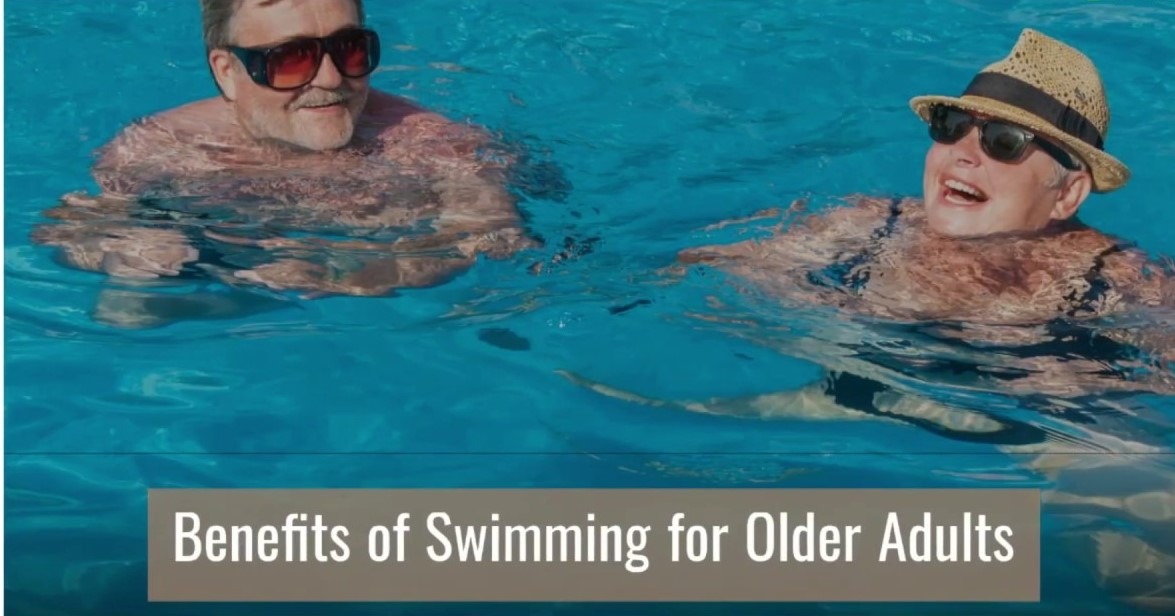
    Swimming is the way to go. Highly recommended by physicians and physical therapists, “swimming is the fourth most popular sports activity in the United States and a good way to get regular aerobic physical activity. Swimmers can exercise longer in water than on land without increased effort or joint or muscle pain.” (CDC). One of theย amenitiesย at The Osborn is an indoor pool.

    Myriad Benefits of Swimming

    • Full body workout.ย Swimming uses all the muscles in the body, so you get a total body workout, regardless of your preferred stroke. Water resistance makes your body worker harder than regular exercise so basically 30 minutes in a pool is worth 45 minutes of exercise on land. In addition to a great cardio workout, swimming increases strength, endurance, and flexibility.
    • Less stress on body.ย Water supports up to 90 percent of the bodyโ€™s weight, putting less stress on muscles and joints. If you suffer from previous injuries or arthritis, you can avoid further injury and pain.
    • Efficient calorie burning.ย A gentle 30-minute swim can burn over 200 calories –more than double that of walking. And a faster swim can burn calories faster than running or cycling.
    • Lowered disease risk.ย As cardiovascular exercise, swimming even 30 minutes a week protects against heart disease, stroke, and type 2 diabetes.
    • Increased wellbeing.ย Inactivity–not aging–is responsible for a lack of energy. Thirty minutes of swimming, three times per week, increases metabolic rate and boosts energy levels. Water also lowers stress levels, reduces anxiety and depression, and supports better sleep.

    Use Your Noodle

    Not a swimmer? You can reap the same benefits by exercising in water instead of on land.

    ‘Noodles,’ are colorful foam tubes that keep you buoyant in water. They also become a piece of exercise equipment in Water Aerobics. Classes can be found in many public and private pools, including at The Osborn.

    Whether you participate in a class or paddle around alone, there are several ways to perform exercise in water that achieve the same benefits as walking, weight lifting, or swimming. Some examples:

    • Swimming with a kickboard, using only your legs to propel yourself. Or, hold onto the pool edge and practice kicks, keeping your legs straight and making steady up-and-down movements, alternating each leg.
    • Water walking, either staying in one place or propelling yourself from one end of the pool to the other. Water walking is an easy way to get your body moving and grow comfortable with the idea of a water workout. If youโ€™re up to it, try dialing up the tempo and move into a jog.
    • Pumping (foam) dumbbellsย strengthens arm muscles similarly to using actual iron dumbbells on land.

    Just 30 minutes of aquatic exercise, three times a week, alongside a balanced, healthy diet and lifestyle, is good practice to stay physically and mentally fit, no matter what your age.

    Besides access to water, swimming requires a short list of equipment: bathing suit, towel, and goggles. Add in a few foam ‘weights’ and noodles, and you can approximate a cool gym workout.

    Everybody in the pool!

    The information in the above article is not intended nor implied to be a substitute for professional medical advice, diagnosis, or treatment. Always seek the advice of your physician or other qualified health provider with any questions you may have regarding a medical condition.

    Learn more about theย amenitiesย at The Osborn, includingย WellSpringย for healthyย independent senior living.


  • Staying Hydrated During the Summer

    Staying Hydrated During the Summer

    Itโ€™s summer and we will all be spending more time out of doors. Some of this will be in the heat of the day, so we want to make sure our older loved ones donโ€™t become dehydrated. According to Theย Mayo Clinic, dehydration occurs when you use or lose more fluid than you take in, and your body doesn’t have enough water and other fluids to carry out its normal functions. Many of us believe dehydration is prevented by our bodyโ€™s natural sense of thirst to remind us to drink. However, as we age our sense of thirst will diminish significantly.ย  Aย UCLA studyย found that 40% of seniors may be chronically under-hydrated.ย Additionally, according to Theย Cleveland Clinic, dehydration is often an overlooked health issue for seniors. Thatโ€™s a frightening fact. So, what do we need to know?

    Hydration is vital because it regulates body temperature, keeps joints lubricated, prevents infections, delivers nutrients to cells, and keep organs functioning properly. Being well-hydrated also improves sleep quality, cognition, and mood. When someone becomes dehydrated, they have the added risk of mental confusion. It is recommended that adult men and women drink between 8-10 cups of water per day.

    Signs of dehydration to look for in older adults:

    • Dry skin
    • Dark amber urine
    • Confusion
    • Fatigue
    • Dizziness
    • Dry mouth
    • Rapid heart rate
    • Low blood pressure

    5 Reasons Seniors Need Good Hydration

    1. As we age, physiological changes can put us at a higher risk of dehydration, such as increased fluid loss, reduced body water content, and a decrease in fluid consumption.
    2. As we age, the amount of fluid in our bodies begins to decrease.
    3. Feeling thirsty is your bodyโ€™s way of letting you know you need water. However, because the thirst response becomes weaker with age, older adults may not know they need to drink.
    4. The function of the kidneys can decline with age, meaning that more water may be lost through urination.
    5. Many older adults have underlying health conditions or take medications. In some cases, these conditions or meds can lead to an increase in water loss through urination.

    How Dehydration Affects the Brain

    You may be surprised to learn that about three-fourths of the brain is made up of water, and it requires an ample supply of liquid to work at peak capacity. Gray matter actually shrinks when the body is dehydrated. And consistent dehydration can cause the brain to age more quickly than normal. Itโ€™s a growing concern among older adults in general. Government research shows that dehydration is one of the primary reasons people age 65 and older are sent to the emergency room.

    For a person who has trouble remembering or often feels disoriented, even mild dehydration can be detrimental to their health and quality of life. A lack of water can aggravate symptoms of dementia, causing mental fatigue, sudden changes in mood, confusion, and trouble processing information. They can also experience feelings of nausea, loss of balance, and headaches.

    On the other hand, a well-hydrated brain can help with concentration, memory function, mood, and even better sleep quality. Water is also important for heart health and muscle function, which are necessary to stay physically active.

    Unfortunately, people with dementia are at a heightened risk of becoming dehydrated. They often simply forget to drink. Some have trouble communicating what they need to others.  

    Tips to prevent dehydration

    If youโ€™re an older adult or caring for one, the following tips may help people stay well hydrated:

    Drink water throughout the day. Other beverages that may also help with hydration include milk, sparkling water, and fruit juices with low sugar or those diluted with water. Reduce your intake of coffee and tea, as they can act as a diuretic.

    Try to include foods in your diet that have higher water content. Some examples include watermelon, cantaloupe, cucumber, celery, and strawberries.

    Plan to drink more water if youโ€™re going to be out in the heat for a prolonged period of time, or if youโ€™re going to be exercising.

    If youโ€™re a caregiver for an older adult, you can do the following to help prevent dehydration:

    • Remind them to hydrate throughout the day  
    • Keep water in places where itโ€™s accessible and easy to reach.
    • Offer them foods with high water content

    The summer is a time for sun and fun but make sure you and your loved one are prepared to enjoy it with plenty of fluids to ensure a healthy season for everyone!

    The information in the above article is not intended nor implied to be a substitute for professional medical advice, diagnosis, or treatment. Always seek the advice of your physician or other qualified health provider with any questions you may have regarding a medical condition.