Schedule a Tour
914-201-9500
Our Reimagination

Category: Blog

  • How Gardening Boosts Wellness, Strength, and Purpose for Seniors

    How Gardening Boosts Wellness, Strength, and Purpose for Seniors

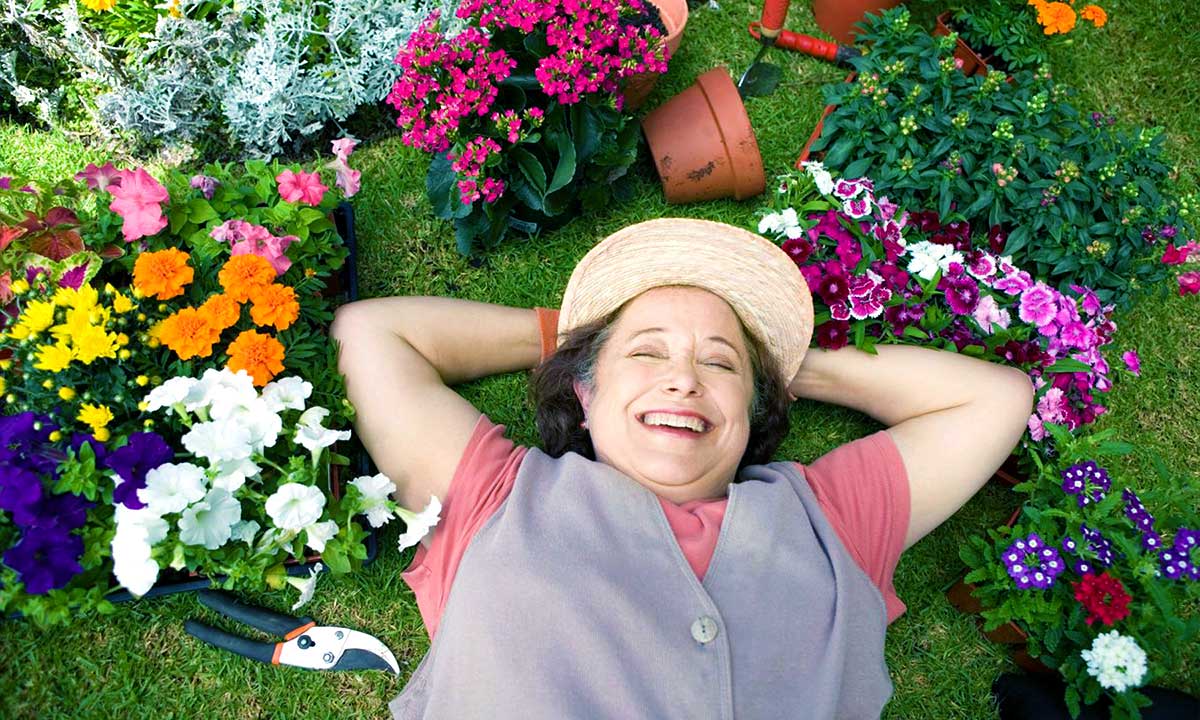
    Thereโ€™s something timeless about tending to a garden. The feel of the soil, the rhythm of planting and watering, the quiet reward of seeing things grow, all have a way of slowing us down, grounding us, and reminding us that life blooms in its own time.

    rn

    For older adults, gardening is more than a hobby; itโ€™s a key to better health, happiness, and a renewed sense of purpose. Whether itโ€™s a backyard plot, a balcony planter, or a raised bed garden in a shared community, the simple activity of caring for plants has numerous benefits for seniors.

    rn

    How Gardening Supports Senior Health and Mobility

    rn

    Gardening for seniors isnโ€™t just a peaceful pastime, itโ€™s also a practical and powerful way to support physical health. With every small movement, from digging to watering, older adults engage their muscles, improve balance, and stay mobile. The beauty of gardening is that it provides gentle exercise without feeling like a workout, making it an ideal activity for promoting healthy aging and everyday vitality. Hereโ€™s how gardening helps the body stay strong, flexible, and energized.

    rn

    A Natural Form of Low-Impact Exercise
    Gardening is a gentle and effective way to stay active. Digging, planting, pruning, and watering may seem like simple tasks, but together they add up to an efficient way of achieving low-impact exercise for seniors. These movements help improve the strength, coordination, and flexibility that are required for healthy aging and fall prevention.

    rn

    According to the CDC, activities like gardening for older adults can count toward the recommended 150 minutes of moderate physical activity per week. Itโ€™s movement with a purpose and one that doesnโ€™t require a gym membership.

    rn

    Gardening for Physical Therapy
    For those recovering from surgery or illness, gardening offers a rewarding way to rebuild strength and mobility. Activities like lifting lightweight tools, squatting, and stretching to reach plants can enhance range of motion and restore confidence in movement.

    rn

    Improving Balance and Coordination Naturally
    Gardening challenges the body in gentle, functional ways. Reaching for a plant, shifting your stance while digging, or carrying a small watering can all engage core muscles and encourage better posture and stability. These movements help improve balance and coordination, which are crucial in preventing falls and maintaining independence for older adults. The best part? It all happens in the flow of an enjoyable, everyday activity, no gym required.

    rn

    Encouraging Regular Outdoor Activity
    Spending time outdoors is one of the simplest ways to support overall wellness. Gardening naturally gets seniors outside in the fresh air and sunlight, which helps regulate circadian rhythms, support bone health through vitamin D, and elevate mood. Even just 20 minutes a day tending to plants can increase energy levels and motivation to move more throughout the day. When outdoor activity becomes part of a daily routine, both physical and emotional health benefit.

    rn

    How Gardening Nurtures Mental Health and Emotional Well-Being

    rn

    Beyond its physical benefits, gardening for older adults offers deep emotional rewards. The act of tending to plants creates space for reflection, calm, and joy, all important elements for senior wellness. Whether itโ€™s the therapeutic quiet of a morning in the garden or the simple pride in a flower blooming, gardening nurtures mental well-being in ways that are both subtle and lasting. Hereโ€™s why gardening can be such a powerful boost for the mind and spirit

    rn

    Therapeutic Gardening for the Mind
    Thereโ€™s a reason so many people find peace in planting. Gardening has been shown to reduce stress, anxiety, and depression. Being outdoors in fresh air and sunlight can help boost mood and regulate sleep, two key ingredients for overall senior wellness.

    rn

    For many, gardening for mental health is as powerful as any meditation. The routine, the sense of accomplishment, and the beauty of growth all contribute to emotional well-being.

    rn

    A Boost in Brain Health
    Cognitive benefits are another reason why gardening is so helpful for seniors. Planning a garden layout, remembering when to water, and identifying plant varieties stimulate memory and executive function. These mental โ€œworkoutsโ€ support brain health in older adults and can be especially meaningful for those with memory loss or early dementia. According to the Alzheimerโ€™s Society, gardening can serve as a therapeutic activity that helps people with dementia feel calmer, more engaged, and more connected to their surroundings.

    rn

    Growing a Sense of Purpose
    As we age, staying connected to meaningful tasks can have a huge impact on our happiness and mental health. Gardening brings a structure to the day and the seasons: plant in spring, tend in summer, harvest in fall. These rhythms help create a sense of routine and accomplishment, important pillars of healthy aging.

    rn

    Whether you’re growing vegetables to share with family or planting flowers for your window view, the feeling of nurturing something brings deep satisfaction. Itโ€™s one of the most fulfilling hobbies for older adults, especially because every effort results in something tangible and beautiful.

    rn

    Strengthening Social Connections
    Gardening isnโ€™t only a solo activity, it can be a way to stay socially connected and build community. In senior living residences, outdoor activities often include shared garden spaces. Swapping tips, admiring blooms, or lending a hand with watering can all foster conversation and connection.

    rn

    Plus, spending time in nature, feeling sunlight on your face, and the smell of herbs or soil can feel invigorating. These sensory pleasures make gardening one of the most joyful senior wellness activities.

    rn

    Tips for Getting Started with Gardening for Seniors

    rn

    If youโ€™re thinking of digging in, here are a few simple ways to make gardening for older adults more enjoyable, accessible, and sustainable, no matter your experience level or physical ability:

    rn

      rn

    • Start Small: You donโ€™t need a big backyard to enjoy the benefits of gardening. Begin with a few pots of herbs, some flowers on the windowsill, or a small raised planter on the patio. Starting small keeps things manageable and lets you focus on what brings you the most joy without feeling overwhelmed.
    • rn

    • Use Raised Beds: Raised bed gardening can be a game changer for seniors. These elevated planters reduce the need to bend or kneel, making gardening more comfortable and safer for those with arthritis, balance issues, or limited mobility. They also help keep everything within easy reach and can be adapted for seated gardening.
    • rn

    • Pick the Right Plants: Choosing easy-to-grow, low-maintenance plants can make the gardening experience more rewarding. Look for plants that thrive in your climate and donโ€™t require constant attention, like cherry tomatoes, lettuce, zinnias, or lavender. These plants grow quickly, provide visual or edible rewards, and are great for beginner gardeners.
    • rn

    • Choose the Right Tools: Investing in the right tools can make all the difference. Look for gardening tools that are lightweight, have padded or ergonomic handles, and are designed specifically for seniors or those with limited grip strength. These tools can help you work longer with less strain and more enjoyment.
    • rn

    • Make it Social: Gardening doesnโ€™t have to be a solitary activity. Invite a neighbor, friend, caregiver, or even a grandchild to garden alongside you. Sharing the experience creates opportunities for connection, conversation, and companionship, all of which are just as beneficial to your well-being as the plants themselves.
    • rn

    • Stay Safe: Be mindful of your comfort and safety while gardening. Wear a wide-brimmed hat and sunscreen to protect your skin, drink plenty of water to stay hydrated, and take frequent breaks in the shade to avoid overexertion. Listening to your body and pacing yourself helps make gardening a lasting, sustainable activity.
    • rn

    rn

    Let the Garden Bloom, and So Will You

    rn

    At its core, gardening is about more than just planting seeds. Itโ€™s about staying active, finding joy in daily routines, and cultivating wellness from the ground up. Whether you’re a lifelong green thumb or just starting out, the benefits of gardening, physical, emotional, and social, are yours to grow.

    rn

    So pick up a trowel, breathe in the fresh air, and take the first step into one of lifeโ€™s most rewarding paths to healthy aging.

  • Self-Care for Caregivers

    Self-Care for Caregivers

    When Betsy’s Dad fell, she moved in with her parents to help out around the house and make sure they were taking their medications and getting proper meals. With a full-time job to manage, what started as a good deed soon became overwhelming as her parents’ health declined.  

    The Cost of Compassion

    It is our nature to care for loved ones and, for many of us, it brings great satisfaction. Empathy and compassion are desirable character qualities, present in people to varying degrees. These enable us to identify, and in some cases, actually experience the feelings, thoughts, or attitudes of others we care about.

    Compassion can come with an emotional cost when caring for someone with a long-term illness. The distress resulting from the constant demands of caring for another, consistently witnessing pain or cognitive decline, can have serious consequences.

    In the book, “Overcoming Compassion Fatigue,” author Sharise M. Nance, LCW, CCTP, details how caregiver burnout can manifest itself in exhaustion, depression, apathy, and even physical or emotional disability. “People in ‘helping professions’ are regularly exposed to a range of emotions, from hope to dread, from gratitude to anger, from patience to frustration, and from grief to sorrow.”

    One older woman had experienced several falls. She lives with her husband, who is in the advancing stage of dementia. He wakes up several times each night, turns on the lights, and gets dressed. Each time, she has to wake up and guide him back to bed, often unable to sleep herself. Before getting help, she found herself exhausted, discouraged, and at a greater risk for additional falls.

    Some caregivers can internalize the issues of those under their watch, hoping by some herculean effort to fix everything. The sense of responsibility can become disproportionately burdensome, and they may lose perspective about what they can and cannot do. This is particularly daunting when a patient has dementia and cannot communicate effectively or acts out physically.

    Making a Plan for Self-Care

    Prolonged stress is associated with distinct physiological responses that can have long-term effects on both physical and emotional health. Often referred to as the fight, flight, or freeze response, these chemical reactions are effective in urgent, life-threatening situations, but not sustainable over time. 

    Ms. Nance noted several emotional states that can accompany caregiver stress:

    • Guilt:ย  A sense of being responsible for the illness
    • Anger: Frustration with family members or health care workers
    • Sadness: Loss of the person as they once were
    • Fatigue: Exhaustion from extra work and irregular sleep
    • Apathy: Lack of energy to keep up with needed tasks

    When these emotions arise, it can be a signal that the caregiver needs to take better care of themselves to do what is needed to care for their loved one. If you are in this situation, here are a few suggestions that might help:

    1. Pace yourself: Take advantage of family or friends who offer to help. Home Care agencies like Osborn Home Care can provide a companion or home health aide for a few hours a day to take on the more challenging tasks.
    2. Set boundaries: Make it clear to the patient and family members what you can and cannot do.
    3. Seek support: Many churches or senior centers offer support groups for caregivers. While it may not alleviate the challenges you are facing, it can be helpful to know how others are coping.
    4. Create a self-care plan: As impossible as it might seem, you need a plan for exercise, sleep, and proper nutrition. If you are a spiritual person, spending time in prayer or meditation can be helpful.ย 

    “Self-care is not a selfish act, but a necessity and priority,” writes Ms. Nance.

    Even health care professionals can become overwhelmed at times. Osborn Home Care employs home health aides and homemaker companions serving clients in Westchester and Fairfield Counties. “As a licensed home care agency, we are vigilant about providing support to our caregivers,” said Michele Thomas, Executive Vice President of Osborn Home Care. “We encourage them to practice their own self-care so they can provide the best possible care and attention to our clients.”

    Caring for another person can be a gift but also a burden. Anyone in that role has to be mindful of the potential risks and remember to monitor their own well-being at times, too.


  • The Benefits of Senior Rehabilitation: Regaining Strength, Confidence, and Independence

    The Benefits of Senior Rehabilitation: Regaining Strength, Confidence, and Independence

    Aging gracefully means adapting to lifeโ€™s changesโ€”but sometimes, those changes involve a health setback that affects how you feel day to day. Whether from an illness, injury, or surgery, rehabilitation can be the key to recovering well and maintaining quality of life.

    rn

    Itโ€™s not just about physical healing. Rehabilitation helps restore confidence, rebuild strength, and get you back to the routines and activities you enjoy.

    rn

    Whether you need short-term therapy after a hospital stay or ongoing support for a chronic condition, the right rehab plan can make a significant difference.

    rn

    What Is Senior Rehabilitation?

    rn

    Senior rehabilitation is a personalized care approach that includes physical therapy, occupational therapy, and speech therapy. Each therapy plays a role in helping older adults rebuild strength, improve mobility, and maintain or regain independence.

    rn

    Rehabilitation may be short-term for recovery after a hospital stay or long-term for managing chronic conditions such as arthritis, stroke, or Parkinsonโ€™s disease. Either way, the focus is on helping you live safely and comfortably, at home or in a supportive care setting.

    rn

    Inpatient vs. Outpatient Rehabilitation: Which One Fits Your Needs?

    rn

    Trying to decide between inpatient and outpatient rehabilitation? It all depends on the level of care you need.

    rn

    Inpatient Rehabilitation is ideal for seniors who need more intensive support. This includes 24/7 medical supervision and daily therapy while you stay at the facility. Itโ€™s often recommended after surgery or hospitalization.

    rn

    Outpatient Rehabilitation allows you to live at home while attending therapy sessions at a rehab center a few times a week. Itโ€™s a good option if youโ€™re medically stable and need ongoing therapy without full-time care.

    rn

    At The Osborn in Rye, NY, we offer both inpatient and outpatient rehabilitation through The Osborn Pasciuti Pavilion, our 5-star skilled nursing center. This flexibility means we can meet you where you are on your journey to recovery.

    rn

    Why Rehabilitation Matters for Seniors

    rn

    Rehabilitation can make all the difference when it comes to aging well. It supports recovery, enhances daily functioning, and helps seniors maintain the active lifestyles they value. Whether you’re recovering from surgery or managing a long-term condition, rehab can provide the tools and encouragement needed to move forward with confidence. Here are a few of the most important benefits:

    rn

    1. Rebuild Independence

    rn

    Rehabilitation helps seniors regain the strength and skills needed for daily tasks like walking, cooking, or getting dressed. With the right support, many older adults are able to return to doing the things they love.

    rn

    2. Improve Mobility and Balance

    rn

    Physical therapy strengthens muscles and improves balance, which helps reduce the risk of fallsโ€”a common concern among older adults. Feeling more stable can help you move through your day with confidence.

    rn

    3. Enhance Quality of Life

    rn

    Less pain, more energy, and better mobility can lead to a more active and fulfilling lifestyle. Rehabilitation can help you participate in social activities, stay engaged in your community, and feel like yourself again.

    rn

    4. Support Recovery After Illness or Surgery

    rn

    Whether youโ€™ve had a joint replacement, a stroke, or another medical event, rehab helps guide your recovery safely and effectively. Therapists work with you to manage pain, build endurance, and meet your personal recovery goals.

    rn

    Types of Therapy Available for Seniors

    rn

    The Osborn offers a wide range of therapy services designed specifically for older adults, with care plans customized to meet each person’s individual health goals, preferences, and recovery needs. Our team takes the time to understand where you are in your journey and what support will help you move forward confidently:

    rn

    Physical Therapy focuses on increasing strength, flexibility, and movement. Itโ€™s especially helpful after surgeries or injuries that limit mobility.

    rn

    Occupational Therapy helps seniors regain the ability to perform daily activities like bathing, dressing, or preparing meals. It also addresses cognitive and coordination challenges.

    rn

    Speech Therapy supports communication and cognitive function. It can also help with swallowing issues that may arise after a stroke or as a result of neurological conditions.

    rn

    Therapy sessions are goal-oriented, and progress is monitored closely to ensure each resident is moving forward at a pace that feels right for them.

    rn

    Choosing a Senior Rehabilitation Center in Westchester County

    rn

    Finding a rehab center that aligns with your needs is important. Hereโ€™s how to start:

    rn

      rn

    • Talk with Your Doctor or Case Manager: They can guide you based on your condition and recovery goals.
    • rn

    • Check Ratings and Reviews: Medicare.gov and U.S. News & World Report ย provide helpful insights into facility quality and outcomes.
    • rn

    • Understand Available Services: Make sure the center offers a comprehensive range of therapies and personalized care planning.
    • rn

    • Schedule a Tour: Visiting in person can give you a sense of the atmosphere, staff, and care philosophy.
    • rn

    rn

    At The Osborn, we take pride in offering expert, compassionate care that puts the individual first. Our reputation in Westchester County is built on years of high-quality service and a commitment to helping seniors thrive.

    rn

    What to Expect from Your Rehabilitation Experience

    rn

    Your rehabilitation journey begins with an initial evaluation where therapists assess your needs, abilities, and goals. From there, they create a customized care plan that evolves as you progress.

    rn

    You may begin with simple movements and gradually work toward more complex exercises. Along the way, your care team will track your improvements, adjust your treatment plan, and ensure youโ€™re on the right path.

    rn

    Communication is a key part of the process. Donโ€™t hesitate to ask questions or express your concernsโ€”our team is here to support you at every step.

    rn

    Start Your Recovery Journey at The Osborn

    rn

    The road to recovery is different for everyone, but with the right support, you can return to a life that feels full, active, and meaningful.

    rn

    At The Osborn in Rye, NY, we provide short-term and outpatient rehabilitation programs designed specifically for older adults. Our expert team is here to guide you through every stage of recovery, helping you regain your strength, independence, and confidence.

    rn

    Interested in learning more? Contact us today to explore how The Osborn can support your health and well-being.


  • Grief and Grieving

    Grief and Grieving

    The older we grow, the more losses we experience. We lose our supple skin, our hair, our flexibility and muscle strength. And as years pass, we lose more people we love โ€” spouses, siblings, colleagues, and friends.

    There is a myth that grieving follows an orderly process of clearly defined stages leading to acceptance. โ€œIn a sense, grief is wild; it can circle back and hit us just when we think weโ€™ve gotten everything under control,โ€ explains Marie Mitarondo, a grief recovery specialist and hospice chaplain in Collingswood, New Jersey.

    Each personโ€™s path through the days, weeks, and months after a loss is unique. Although it is painful, acute grief is normal and usually subsides within a year.

    Complicated Grief

    A study by a branch of the National Institutes of Health found that โ€œamong the elderly, those between ages 75 and 84 years have a higher risk of developing complicated grief compared with a younger age group.โ€ Conversely, the study noted that people aged 85 years and over were less likely to suffer abnormal grief.

    Some people experience persistent grief that leads to profound changes in their mental, emotional, and physical health. This is called โ€˜complicated grief,โ€™ in which the individual has feelings of intense worthlessness, internal questioning of personal beliefs, a strong yearning for the person who passed, and an inability to accept the passing.

    Complicated grief can have serious effects:

    • Serious depression: experienced by about half of those with complicated grief
    • Suicidal thoughts: experienced by 40 to 60 percent
    • Insomnia: causing sleep anxiety and worsening depression
    • Post-Traumatic Stress Disorder (PTSD): flashbacks, nightmares, and a need to avoid reminders (people, places, things) of the one who passed
    • Anxiety disorders: extreme, persistent worry over money, health, family, work
    • Substance abuse: harmful use of alcohol, tobacco, and illicit drugs to โ€˜copeโ€™

    Dealing with complicated grief requires help. Your general practitioner may recommend a psychiatrist or counselor. Cognitive behavioral therapy in private or group settings can help you confront your loss and learn techniques to channel your grief. More specific treatments may be prescribed for depression, PTSD, or substance abuse.

    Helping Yourself and Others

    Losing, and grieving the loss of a loved one, are part of the human experience. If you are working through a loss, you can do several things to help yourself stay healthy. You can likewise support a friend during their time of bereavement.

    Self-care includes taking some time away from your regular obligations, to allow yourself to absorb what has happened and acknowledge the profound change in your life. Give yourself space and permission to cry, if you want to. Consider keeping a small notebook in which to write about your loved one and your feelings.

    While you may not feel like eating, remember that keeping yourself hydrated and fueled with healthy food has an impact on your stamina, which is vital during this stressful time. Sleep is likewise important to your health; if sleeping is difficult, you may need short-term medication to ensure you get enough rest.

    Above all, lean on family and friends. You may need someone to listen to your thoughts, or to simply sit nearby. Tap into your spiritual connections, whether itโ€™s a faith community, or a walk among nature.

    Grief can be described as the flipside of joy. In time, grieving gives way to precious memories of those we have loved.


  • International Women’s Month

    International Women’s Month

    Now is the time to celebrate International Women’s Month.

    A March Challenge

      1. Who originated the concept of a cotton gin and helped solve theย mechanical problemsย encountered by patent-holder Eli Whitney (1794)? ____________
      2. Who initiated the Environmental movement, in 1962, with the pathbreaking book Silent Spring? ____________
      3. Who architected the Vietnam Veterans Memorial in Washington D.C as a 21-year- old college student? ____________

    If the answers didn’t pop into your mind, here’s a clue: They were all women.

    If you’re still stumped, you’ll find their names — and many, many others — on the quiz page of the National Women’s History Alliance. March is Women’s History Month.

    Celebrating Women’s Contributions

    Although integral to America’s earliest history, women’s contributions to art, science, politics, human rights and society were not always widely acknowledged.

    In a Presidential Address in 1980, President Jimmy Carter said that “from the first settlers who came to our shores, from the first American Indian families, men and women have worked together to build this nation. Too often the women were unsung and sometimes their contributions went unnoticed. But the achievements, leadership, courage, strength and love of the women who built America was as vital as that of the men whose names we know so well.”

    On that day, Carter declared March 2 – 9 National Women’s History Week. He called out ย women who had struggledย  for equality โ€“ โ€“ Susan B. Anthony, Sojourner Truth, Lucy Stone, Lucretia Mott, Elizabeth Cady Stanton, Harriet Tubman, and Alice Paul. He stressed that “Understanding the true history of our country will help us to comprehend the need for full equality under the law for all our people.”

    A Long Road, Still Traveled

    Fifty-seven years earlier, in 1923, the National Women’s Party proposed an amendment to the U.S. Constitution to provide legal equality of the sexes and prohibit discrimination based on gender.

    In 1982, the U.S. Senate passed the Equal Rights Amendment, but it still needed approval by two-thirds of both chambers of Congress, and ratification by the three-quarters of the states. In 2020, Virginia became the 38th and final state to ratify the ERA.

    In January 2023, several members of Congress filed a joint resolution toย  accept the ratification of the ERA and recognize it as part of the Constitution.

    If the ERA becomes the 27th Amendment to the U.S. Constitution this year, it will happen on the 100th Anniversary of the amendment’s travel through history.

    National Women’s History Week Month

    Women’s History Week became Women’s History Month when the National Women’s History Project petitioned the U.S. Congress to expand the designation to the entire month of March.

    The 2023 theme is “Celebrating Women Who Tell Our Stories,” to recognize all women who have “devoted their lives and talents to producing art, pursuing truth, and reflecting the human condition decade after decade.”

    Worldwide Recognition of Women

    Every March 8 is observed around the world as International Women’s Day to build support for women’s rights in all countries and is officially recognized by the United Nations. Embracing Equity is this year’s theme.

    When we embrace equity, we embrace diversity, and we embrace inclusion.

    We embrace equity to forge harmony and unity, and to help drive success for all.

    Equality is the goal, and equity is the means to get there.ย 

    Through the process of equity, we can reach equality.

    QUIZ Answers:

      1. Catherine Greene,ย Feb. 17, 1755 โ€“ Sept. 2, 1814
      2. Rachel Carson, May 27, 1907 โ€“ Apr. 14, 1964
      3. Maya Lin, Oct. 5, 1959 –

  • Supporting Mental Health as We Age

    Supporting Mental Health as We Age

    Many of todayโ€™s older adults grew up during a time when mental health issues were not as well understood as they are today. In years past, people didnโ€™t discuss problems like loneliness or depression because many considered them a sign of weakness.

    Now we understand that mental health and physical health are equally important to our well-being. Today, experts understand that mental health challenges are treatable. You can improve the quality of your life, or that of an older adult, by making sure you understand the warning signs and know where to turn for help.

    How Many Seniors Suffer from Depression?

    According to the CDC, it is estimated that 20% of people age 55 years or older experience some type of mental health concern. The most common conditions include anxiety, cognitive impairment, and mood disorders such as depression or bipolar disorder.

    Even though older adults may experience mental health issues, they are less likely than younger adults to receive treatment for them. When they do receive treatment, itโ€™s also less likely to be from a mental health specialist.

    All of us can relate to feeling anxious, a work problem, a major decision, or a health condition can make you feel worried and anxious. But for older adults with anxiety disorders, that nervous feeling doesnโ€™t disappear when the problem is resolved. Approximately 10%-15% of older adults (women more frequently than men) can experience severe anxiety.

    We all experience sadness from time to time, itโ€™s a normal part of life. However, depression, which is the most common of all mood disorders, isnโ€™t simply a case of the blues. Depression can affect your daily activities. It can interfere with your sleep and can make you feel hopeless. Severely depressed people are also at high risk for suicide.

    Symptoms of Major Depression

    According to the National Institutes of Health, you can have major depression without realizing it.

    Symptoms include:

    • Persistent sad or anxious mood
    • Feeling hopeless
    • Lack of energy
    • Problems with concentration and memory
    • Change in sleep patterns
    • Changes in your appetite
    • Feeling restlessness, irritability

    Symptoms of Minor Depression

    According to U.S. data from Americaโ€™s Health Rankings, about 14.7% of adults age 65 and older report having been told by a health professional that they have a depressive disorder, including major depression, minor depression, or dysthymia. And while these symptoms may not always feel severe, even milder forms of depression can still be troubling and affect daily life.

    Symptoms include:

    • Difficulty in functioning
    • Decreased social activity
    • Vague health complaints

    Common Risk Factors for Depression in Older Adults

    Although most cases of depression are diagnosed in young adults, depression can occur at any age. Certain people are at a higher risk of developing depression. If you are an older adult, you may be at a higher risk if you:

    • Are chronically Ill
    • Are female
    • Are disabled
    • Are socially isolated

    You may also be at a higher risk if you:

    • Have personal or family history of depression
    • Take certain medications
    • Abuse alcohol or drugs
    • Experience a life-changing event

    Where to Turn for Help if You or a Loved One May Have Depression

    If you think that you or a loved one may have depression, it is important to seek treatment. A person with depression cannot simply โ€œsnap out of itโ€, it is a medical condition that affects oneโ€™s quality of life. You are more likely to develop a physical illness if you have untreated depression.

    The good news is that, in most cases, depression is treatable in older adults. The right treatment may help improve your overall health and quality of life. Some symptoms may start to improve within a week or two, but it may be several weeks before you feel the full effect of treatment.

    Talk to Your Doctor

    If you think you have depression, the first step is to talk to your doctor or health care provider. Your doctor will review your medical history and do a physical exam to rule out other conditions that may be causing or contributing to your depression symptoms. He or she may also ask you a series of questions about how youโ€™re feeling. It is important to be open and honest about your symptoms, even if you feel embarrassed.

    If other factors can be ruled out, the doctor may refer you to a mental health professional, such as a psychologist, counselor, social worker, or psychiatrist. Some providers are specially trained to treat depression and other emotional problems in older adults.

    What are my treatment options?

    The primary treatment options for depression include medication and psychotherapy. It is important to remember that doctors and therapists develop a personalized treatment plan for each individual. Different treatments may have to be tried before the right one is found for you โ€“ be patient and good to yourself during the process. If you or a loved one is depressed, please seek help.

    Here are some resources:

    National Alliance on Mental Illness
    1-800-950-6264
    www.nami.org

    Mental Health America
    1-800-969-6642
    https://mhanational.org/

    National Institute of Mental Health
    866-615-6464
    www.nimh.nih.gov


  • Is it Simple Winter Blues or Seasonal Affect Disorder?

    Is it Simple Winter Blues or Seasonal Affect Disorder?

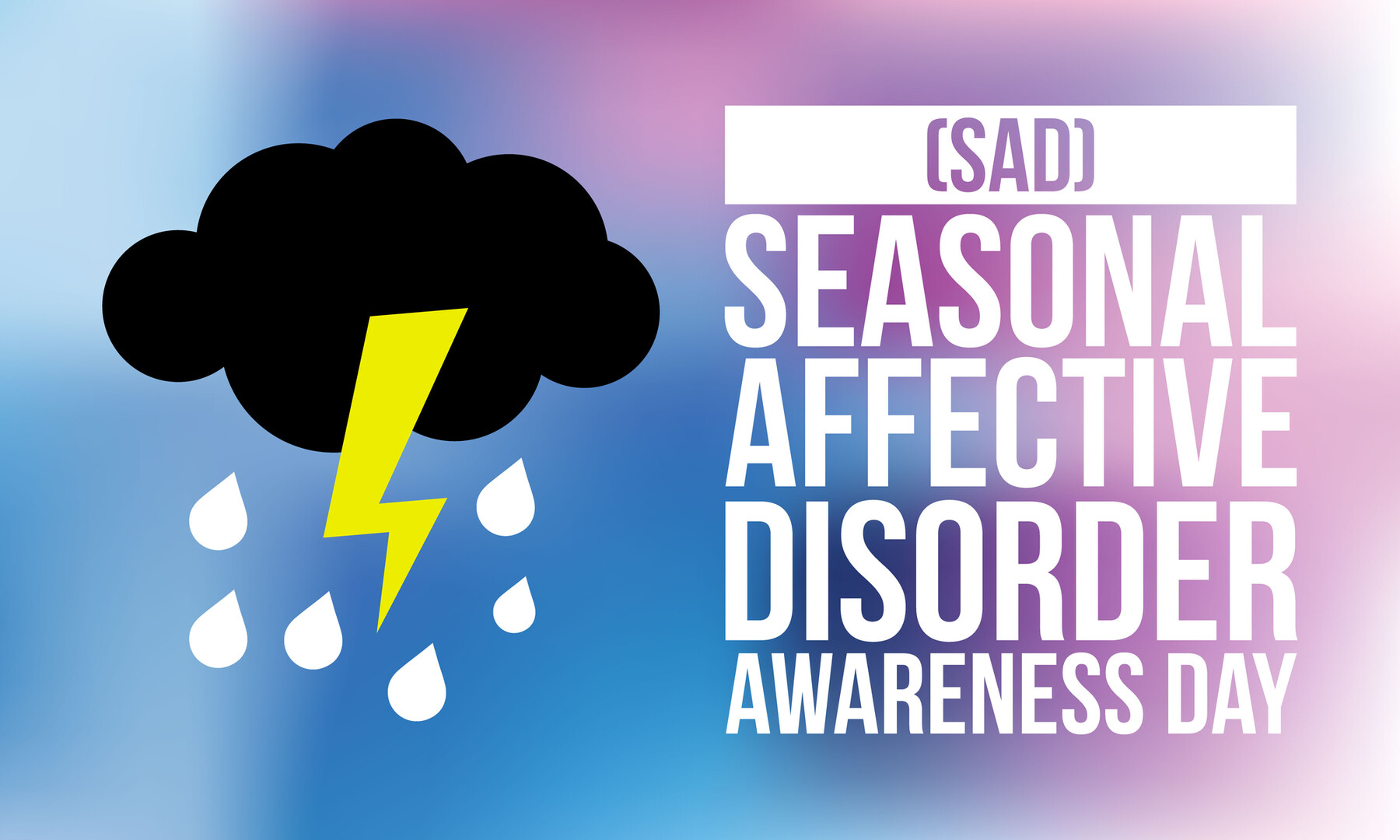
    Winter blues can affect us all. The days are short, the holidays are behind us, and the world seems gray and cold. However, if you have a severe case that is negatively impacting your day-to-day life, it may be something more serious like Seasonal Affective Disorderย (SAD). This is characterized as a form of depression that has a seasonal pattern which can start in fall and last until spring. It is thought to be associated with reduced sunlight. As the days get shorter and colder, the lack of sunlight can leave you feeling sad and less energetic, or you may experience changes in sleep and eating habits, reduced interests, and the desire to isolate yourself from others.

    SAD is more than just โ€œwinter blues.” The symptoms can be distressing and overwhelming and can interfere with daily function. SAD has been linked to a biochemical imbalance in the brain caused by shorter daylight hours and less sunlight in winter.

    This year, in addition to being in the midst of cold winter months, we are coping with the negativity every time we turn around. We are often isolated and separated from our family and friends. We also have fewer social outlets and the economy has been uncertain for some time. These factors and others can lead to the same symptoms we may see in SAD.

    Common symptoms of the โ€œwinter bluesโ€ or โ€œSADโ€ include:

      • Feeling of sadness or depressed mood
      • Loss of interest or pleasure in activities once enjoyed
      • Changes in appetite – usually eating more and eating high fat/carb foods
      • Change in sleep – usually sleeping too much
      • Loss of energy or increased fatigue
      • Increase in restless activity
      • Reduced level of self-worth or self-esteem
      • Trouble concentrating or making decisions
      • Thoughts of hopelessness

    SAD can be effectively treated in a number of ways, including light therapy, antidepressant medication, talk therapy, or some combination of these techniques. ย While symptoms will generally improve on their own with the change of season, symptoms can improve more quickly with treatment.

    Fortunately, there are several steps you can take to help prevent this disorder, beginning with certain lifestyle changes. There are seven different aspects of well-being, and you can focus on making changes in each during fall and winter:

      • Physicalโ€“ Maintaining your level of exercise and a healthy balanced diet are great ways to elevate your mood and energy levels throughout the winter months. It is also important to regulate your sleep patterns; avoid sleeping during the day and avoid overindulging in caffeine and alcohol. Smile! Your smile can lift your mood as well as the mood of others.
      • Emotionalย โ€“ Keep a gratitude journal. Itโ€™s easy to get sucked into all the parts of the day that arenโ€™t perfect. Instead, make a point to write down what youโ€™re grateful for each day.
      • Socialโ€“ Make an effort to keep socializing in a safe way. During COVID-19, many people are feeling isolated – especially older adults. Maintain social relationships by making a phone call, setting up a video chat, sending a letter, or even writing a few quick text messages. Checking in on other people can help boost both your spirits and theirs.
      • Intellectualโ€“ We can all think of reasons why we shouldn’t get something done, but creating and sticking to a schedule can help you avoid isolation and dwelling on things that make you feel down.
      • Spiritualย โ€“ Be mindful of this moment. Instead of focusing on the negative aspects of winter, embrace the season and find things you like about it.
      • Environmentalโ€“ Get outside! Even if itโ€™s only for a few minutes, the fresh air and sunshine can help you feel refreshed. Lightbulbs that emit a certain wavelength that mimics the vitamin D in sunlight can also be helpful to use periodically.
      • Vocationalย โ€“ Focus on the positive and try to manage your stress. Do something that relaxes you, like reading a book or taking a bath.

    Additionally, while we’re coping with the COVID-19 pandemic, it’s especially important to remember to stay positive. In times of constant negative messaging, strive for a positive attitude and move forward with determination and hope. Engage in activities that are positive, heartwarming, stress-reducing, and laughter-inducing – and remember that we will get through this.

    These simple actions can help you stay positive:

      • Remember that things will not be this way forever
      • Remind yourself of what is good in your life
      • Limit your TV time
      • Watch a funny video or movie
      • Look in on your neighbors
      • Send a card or gift in the mail to a loved one
      • Try a new hobby or rediscover an old one
      • Provide random acts of kindness to others

    If you have been experiencing signs of the winter blues or SAD for more than two weeks and lifestyle changes arenโ€™t helping to alleviate the symptoms, it may be time to talk to your doctor or contact a professional. Depression is a serious condition and the longer treatment is delayed, the harder the recovery.

    Here are some additional resources online:

    The Mental Health Association of Westchester

    rn

    National Association of Mental Illness/Westchester

    rn

    Family Health Services of Westchester

    rn

    What is seasonal affective disorder?

    rn

    The information in the above article is not intended nor implied to be a substitute for professional medical advice, diagnosis, or treatment. Always seek the advice of your physician or other qualified health provider with any questions you may have regarding a medical condition.


  • Nutrition for Healthy Aging

    Nutrition for Healthy Aging

    Everyone is talking about food these days. Conversations about where food comes from, how it is produced, and what goes into it have replaced simple calorie counting. This growing awareness has helped many people make more thoughtful choices that support a healthy weight, long-term health, and even the well-being of the planet. Along with regular movement, social connection, and living in a smoke-free environment, nutrition remains one of the most important contributors to longevity.

    Food is also more than fuel. It brings comfort, routine, culture, and connection to everyday life. As we age, what we eat continues to play a meaningful role in how we feel, function, and live each day. Nutritional needs shift over time, influencing energy levels, bone strength, cholesterol, blood pressure, and brain health. Thoughtful nutrition can support the management of conditions such as diabetes, heart disease, dementia, and Alzheimerโ€™s disease, while also helping maintain independence and quality of life. The goal is not perfection, but nourishment that supports both health and enjoyment at every stage of life.

    Why Nutrition Matters More as We Age

    Aging affects how our bodies process nutrients. Metabolism may slow, muscle mass can decrease, and the body may become less efficient at absorbing certain vitamins and minerals. These changes make nutrition especially important in later years.

    Proper nutrition helps support energy levels, immune health, and recovery from illness or injury. It also plays a role in maintaining strength and mobility, which are essential for staying active and independent. Even small nutritional gaps can have a greater impact over time, influencing stamina, balance, and overall resilience.

    Guidance from the National Institute on Aging highlights how balanced meals can help older adults maintain muscle, manage chronic conditions, and support overall health as nutritional needs evolve with age.

    Rather than focusing on restriction, healthy aging nutrition emphasizes consistency, variety, and meeting the bodyโ€™s changing needs.

    Supporting Heart, Bone, and Brain Health Through Food

    Nutrition plays a direct role in many of the health concerns commonly associated with aging. Balanced meals that include fruits, vegetables, whole grains, lean proteins, and healthy fats support heart health by helping manage cholesterol levels and blood pressure.

    Bone health also becomes increasingly important with age. Adequate intake of calcium, vitamin D, and protein helps preserve bone density and reduce the risk of fractures. These nutrients work together to support strength and stability, especially when paired with weight-bearing activity.

    Emerging research also highlights the connection between nutrition and brain health. Diets rich in antioxidants, omega-3 fatty acids, and nutrient-dense foods may support cognitive function and overall brain health, reinforcing the idea that nutrition influences both the body and the mind.

    Maintaining a Healthy Weight and Muscle Mass

    While weight management is often discussed earlier in life, unintentional weight loss can be a concern for older adults. Changes in appetite, taste, or physical ability can make it harder to consume enough calories and protein.

    Maintaining muscle mass is especially important for mobility, balance, and fall prevention. Protein plays a key role here, helping preserve strength and support daily activities such as walking, standing, and reaching.

    Regular meals, adequate protein intake, and nutrient-dense snacks can help support a healthy weight and muscle function. The focus is not on numbers, but on maintaining strength, energy, and the ability to participate fully in daily life.

    When Appetite, Medications, or Memory Affect Eating

    Many factors can influence eating habits as we age. Medications may affect taste or appetite. Physical challenges can make preparing or eating meals more difficult. Memory changes can lead to skipped meals or reduced intake.

    For individuals living with cognitive impairment, remembering to eat or communicating food preferences can become challenging. This can result in inconsistent nutrition and unintended weight loss if not addressed with care and routine.

    Recognizing changes in eating patterns is an important part of supporting health. Regular mealtimes, familiar foods, and attentive support can help ensure nutritional needs are met while respecting personal preferences and dignity.

    Nutrition as Part of Quality of Life

    Healthy nutrition is not just about nutrients and guidelines. It is also about pleasure, comfort, and connection. Shared meals, favorite recipes, and small indulgences can bring joy and familiarity to everyday life.

    In independent living communities, access to regular meals and shared dining can support both nourishment and connection without giving up personal choice.

    A balanced approach allows room for flexibility. While nourishing foods support health, honoring personal tastes and traditions supports emotional well-being. Food should feel satisfying and comforting, not stressful or restrictive.

    As we age, quality of life matters just as much as physical health. Thoughtful nutrition supports both, helping older adults feel nourished, respected, and engaged in the moments that matter most.


  • Achieving Digital Literacy

    Achieving Digital Literacy

    Achieving Digital Literacy: A Few Crucial Technology Tools for Older Americans

    While technology can make our lives so much easier, many older adults seem to be reluctant to embrace new technological tools, learn how to use technical devices, and develop new skills. In fact, achieving digital literacy seems like an insurmountable task to many who assume that it requires a particular mindset, strong technical acumen, and, most importantly, the courage to expand their horizons and discover new talents, which reinforces deeply ingrained stereotypes about mature individuals and technology.

    Although younger people in general are far ahead of their parents and grandparents when it comes to digital proficiency, there is some uplifting evidence presented by U.S. News Money suggesting that 58% of individuals over 65 use the Internet, which is up from 15% in 2000. Furthermore, the numbers are even higher among well-educated and affluent people.ย  Even people in their 90s are increasingly embracing smartphones, tablets, social media, and other technologies.

    Technology use is not only about having fun online, watching videos, or perusing the news. New technology enables older adults to maintain contact with family members, live independently, and get help as soon as they need it. Certain specialized devices can even monitor fmedication management, locate a lost Alzheimerโ€™s patient, or sense when someone has fallen. In addition, some technical tools have simple-to-use features that mature individuals can quickly learn and adopt.

    Here are a few crucial tools for older Americans that can help them function more effectively and make their lives easier.

    Smartphones. Smartphones are an amazing tool that can be utilized for a wide variety of crucial tasks. Their use goes far beyond making phone calls, emailing, texting, or playing video games. Smartphones can be used to research health topics on the internet, learn new things, read books, video chat with loved ones, and even manage finances. In fact, there are smartphones designed specifically for older adults that offer larger screens, easier-to-use interfaces, and hearing aid compatibility.

    Skype or FaceTime. Evidence suggests that these apps have become quite popular with older adults who have family members living far away. While using Skype or FaceTime cannot replace face-to-face interactions, using these apps can still bring joy to older adults, help them feel connected, and reduce their risk of loneliness. By the way, many older individuals are replacing their computers or laptops with tablets when it comes to video conferencing their loved ones, sharing photos, or gathering data from online sources. These tools may be particularly helpful for those who cannot travel or have limited mobility.

    Wearable fitness monitors. There are a variety of fitness and activity trackers on the market that make it easier for mature adults to live a healthy and productive life. From fitness bands to step trackers, heart rate monitors and smartwatches โ€“ there is no shortage of wearable technology designed to monitor physical activity, sleep, and exercise routine.

    Automatic pill organizers. It goes without saying that pill organizers make it easier to stay organized and keep tabs on multiple medications. We all realize how important it is to take medications correctly and on time. This amazing technical device can be filled up and programmed by an older adult or his/her loved one. All that needs to be done is placing medications into appropriate compartments and setting timers to release the pills at certain times. When the time comes to take the pill, the device sets off an auditory or even a visual alarm. No need to feel confused or frustrated, โ€œdesperatelyโ€ trying to figure out how to keep track of multiple dosages or bottles. Technology is your best friend and will do all the work for you.

    Fall detection devices. Letโ€™s face it: slips, trips, and falls pose a major concern for older Americans and these sensors can potentially save lives. As you may already know, motion sensors are good at detecting home intruders. However, some companies have designed sophisticated algorithms to detect human falls. Some even have started using Artificial Intelligence to draw a distinction between animals and humans.

    Final thoughts: These are just a few of the many amazing and helpful technological tools that can benefit older adults and transform their lives. Just because you are not a college student or a tech guru, it doesnโ€™t necessarily mean that embracing smart-living technologies is beyond you and you might as well forego using them. According to the Consumer Technology Association, โ€œthe active aging industryโ€ in the United States is expected to triple in the next few years, to nearly $30 billion. After all, technology is a great asset for mature adults, providing a safe way to stay connected with family members, stay active and healthy, and live independently for as long as possible.

    ###

    The information in the above article is not intended nor implied to be a substitute for professional medical advice, diagnosis, or treatment. Always seek the advice of your physician or other qualified health provider with any questions you may have regarding a medical condition or beginning any exercise program.


  • How to Rediscover Your Passions Later in Life

    How to Rediscover Your Passions Later in Life

    Contrary to popular belief, you can revive your passions, do some of the things you always wanted to do, and reignite your life even after retirement. Rest assured that itโ€™s not too late; you still have a chance to give your dreams a second chance, tap into your talents, and have a lot of fun in the process.  

    Life doesnโ€™t have to be boring when you reach a certain age, and now may be a good time to defy the old stereotypes and start a new chapter. It will not only improve your mental and physical health but also imbue your life with meaning and purpose.

    If you are retired, you may have more time and opportunity to redirect your attention from the daily 9-5 grind towards activities that truly matter to you. Now that you no longer have to get up before dawn, spend hours on a long commute, or do double duty at work, you can fill up your day with more joy, creativity, and interesting hobbies that may transform the way you feel about yourself.

    According to Wanderlust, there are many different ways to pursue your interests and reawaken your passions in your later years. Opportunities abound. You can take an art class, learn a musical instrument, or finally become the baker youโ€™ve always wanted to be. You can also volunteer at local schools, hospitals, animal shelters, or other charitable organizations. Furthermore, older adults who have had productive and successful careers in business can offer mentorship to young, aspiring business professionals interested in running their own businesses and making their mark on the world.

    Was there anything in particular you were excited about at a younger age, but were reluctant to pursue due to a lack of time or the feeling of not being good enough? Is it salsa dancing, poetry, writing, painting, or crafting that always got you excited? Have you ever considered public speaking as a way to share your story, connect with others, or overcome shyness? Even if you are not quite sure what your passions are at this point, you can experiment with different activities until you figure out what gets your creative juices flowing and invigorates your mind.

    Are you interested in exploring different countries, meeting new people, and making new friends? With a doctorโ€™s blessings, you can embark on a life-changing bucket list trip, immerse yourself in different cultures, and learn new things.ย  In fact, travelling can transform the way you perceive the world, interact with people, or experience life.

    From nearby places to exotic faraway destinations, this is your chance to expand your horizons and see the world from a different perspective. If going overseas is not for you, why not explore some local hidden gems, charming small towns, or interesting big cities in the United States that deserve to be on your travel list? There is no shortage of spectacular places to see across our beautiful country, and turn each trip into an adventure.

    For those living at The Osborn, there are interesting monthly events, local shopping, art classes, lectures, and much more. They are all part of our enrichment program because thatโ€™s exactly what they do, enrich us!

    According to Theย Week,ย leaving the full-time workforce doesnโ€™t always equate to full-time retirement. Finding a part-time job that aligns with your long-held interests and talents may be a great idea.ย Spending too much time at home or giving up on their dreams may not appeal to them; there are quite a few benefits to keeping some kind of job in your later years.

    Furthermore, many older Americans are still eager to give back and have a lot of valuable experience to share with the world.ย Plus, working during retirement allows them to explore new interests and grow.

    If you think the most exciting days of your life are behind you, think again. Believe it or not, now may be a great time to start planning one of the best chapters of your life, where you get to do things you always wanted to do, develop new skills you never had, visit exciting destinations, and create new memories. Let it be a new beginning, something you have been waiting for all your life!